
Coelogyne lawrenceana
Coelogyne lawrenceana
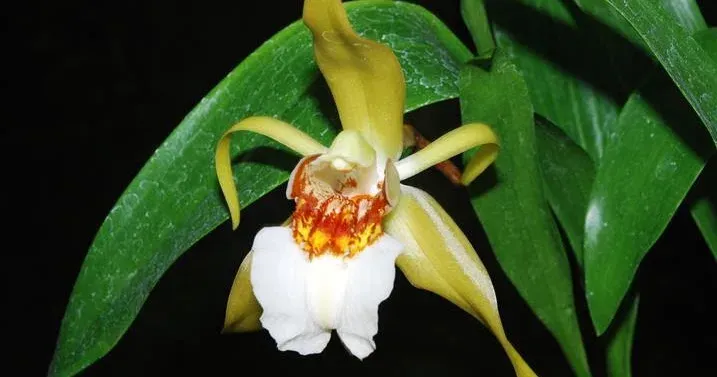
Description
Growing requirements
Coelogyne lawrenceana is a distinguished epiphytic species belonging to the Orchidaceae family. It originates from the tropical forests of Southeast Asia, specifically documented in regions of Vietnam, thriving in high-humidity environments.
Botanically, the plant is characterized by its sympodial growth pattern, producing dense pseudobulbs that store essential nutrients. The leathery leaves emerge from the top of these bulbs, providing the plant with the necessary photosynthetic surface area.
Cultivation requires bright, indirect light levels to mimic the dappled light found in forest canopies. Direct exposure to intense sunlight can lead to leaf scorch, damaging the structural integrity of the plant and hindering potential flowering.
The substrate must be highly porous to ensure proper aeration for the root system. A common potting mix includes orchid bark, perlite, and charcoal, which prevents the roots from sitting in stagnant water and lowers the risk of rot.
Temperature management is critical, with a preference for warm days and significantly cooler nights. This diurnal temperature fluctuation is a primary environmental cue for the orchid to initiate its blooming cycle throughout the year.
Main diseases and pests
Common plant health issues include root rot caused by improper drainage and overwatering. Maintaining a strict watering schedule that allows the substrate to partially dry out is essential for long-term health.
Insects such as spider mites and scale insects represent the most frequent threats, especially in indoor environments with dry air. Monitoring leaf undersides and applying horticultural oils or mild systemic insecticides can control these pest populations effectively.