
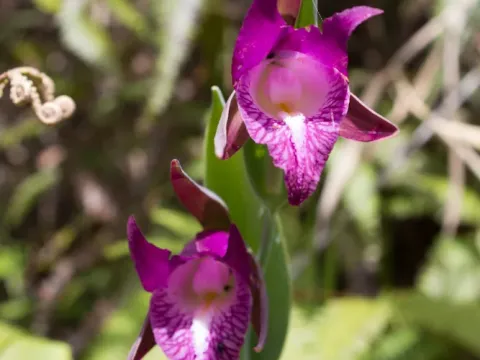
Cleistes
Cleistes
Cleistes is a genus of terrestrial orchids belonging to the Orchidaceae family. These perennial herbaceous plants are native primarily to the Americas, where they are found in diverse habitats ranging from tropical forests to open grasslands and savannas.
What the section contains

Cleistes
The botanical structure of Cleistes includes erect stems with alternate leaves and striking, often tubular or bell-shaped flowers. Their root systems consist of fleshy or fibrous roots, which require a specific medium to thrive in cultivation.
Successful cultivation depends on providing a well-draining, humus-rich substrate that mimics their natural environment. Maintaining proper soil moisture without causing waterlogging is the most critical factor for healthy growth.
These plants require bright, diffused light rather than direct sunlight. Temperature preferences vary by species, but generally, they benefit from a consistent temperate environment and a distinct period of reduced water during their dormant phase.
In terms of usage, Cleistes are mainly grown by orchid enthusiasts and botanical gardens for their unique aesthetic value. Due to their specific cultural needs, they are not typically mass-produced but remain a prized feature in specialized collections.
The primary threats to Cleistes are fungal pathogens that thrive in overly wet growing media. Root rot is a common issue that occurs when drainage is insufficient, often leading to rapid plant decline and death.
Common pests include spider mites and mealybugs, which are particularly attracted to the soft foliage of the plants. These pests suck the sap, causing chlorosis and stunting the growth of the orchid if left untreated.
To manage pest populations, gardeners should focus on maintaining adequate airflow and inspecting plants regularly. Early detection is crucial, as pests can multiply quickly in enclosed greenhouse environments.
Gastropods, such as slugs and snails, are frequent nuisances, particularly for plants maintained in outdoor or humid greenhouse conditions. Mechanical barriers and targeted traps are the most effective methods for control.
Viral diseases pose a serious risk as they cannot be cured. Proper sanitation, including sterilizing tools and isolating new plants, is essential to maintain a healthy collection and prevent the spread of systemic infections.