
Coelogyne fuliginosa
Coelogyne fuliginosa
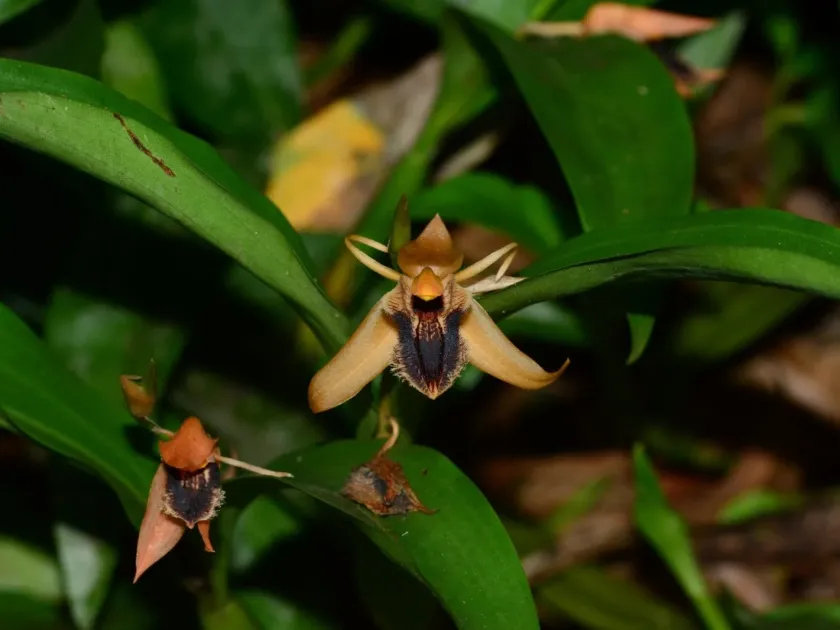
Description
Growing requirements
Coelogyne fuliginosa is a distinctive orchid species belonging to the Orchidaceae family. This epiphytic plant originates from the tropical rainforests of Southeast Asia, where it thrives in shaded and humid environments.
To cultivate this species successfully, one must replicate its natural habitat. It requires high ambient humidity, generally ranging from 60% to 85%, which is essential for the healthy development of its pseudobulbs.
The substrate must provide optimal drainage and aeration. A mixture of orchid-grade fir bark, charcoal, and perlite is recommended to prevent waterlogging and ensure the roots receive adequate oxygen supply.
Temperature management is crucial; the plant prefers warm days and cooler nights. This temperature differential is often the primary trigger for the blooming cycle in this particular orchid species.
Indirect, bright lighting is the ideal condition for growth. Direct sunlight can scorch the foliage, leading to necrosis and weakening the plant's overall vitality and aesthetic value.
Main diseases and pests
Pest infestations, particularly by spider mites and scale insects, are common in environments with inadequate humidity levels or poor air circulation within the growing area.
Fungal infections, such as root rot caused by stagnant water or pathogens like Phytophthora, pose a significant risk if the potting media remains soggy for extended periods.
Botrytis, a fungal disease causing small spots on flowers, can occur during periods of high humidity combined with low airflow, significantly impacting the decorative quality.
Integrated pest management strategies should focus on preventive measures, including regular equipment sanitation and the removal of any diseased plant tissue to limit disease spread.
Proper water quality is essential, as the accumulation of mineral salts from hard water can damage the sensitive root system, making the plant more susceptible to opportunistic pathogens.