
Coelogyne rochussenii
Coelogyne rochussenii
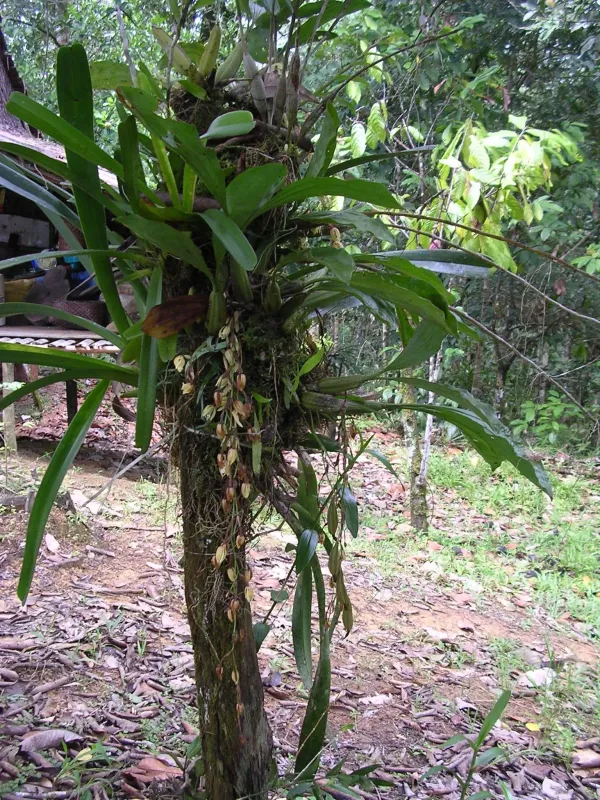
Description
Growing requirements
Coelogyne rochussenii is a remarkable epiphytic orchid belonging to the Orchidaceae family. Native to the tropical rainforests of Southeast Asia, it is highly valued by collectors for its long, pendant racemes of fragrant flowers.
The plant thrives in high humidity conditions, typically exceeding 70-80%. Providing a consistent environment with good air circulation is essential to mimic its natural canopy habitat and prevent physiological stress.
Light requirements for this species involve bright, filtered light. Protecting the broad leaves from direct midday sun is crucial to avoid tissue scorching, which can weaken the plant and make it susceptible to infections.
Regarding climate, this orchid prefers warm temperatures throughout the year. Maintaining daytime temperatures around 25°C and slightly cooler nights promotes healthy pseudobulb development and successful annual blooming cycles.
The substrate must be light, airy, and well-draining, typically composed of coarse fir bark, charcoal, and sphagnum moss. This composition ensures that the sensitive root system receives enough oxygen while retaining necessary moisture.
Main diseases and pests
Pests such as spider mites, scale insects, and mealybugs represent the primary threats to the health of Coelogyne rochussenii, especially in environments with stagnant or overly dry air.
Root rot and stem necrosis are common issues caused by poor irrigation practices or the use of decomposed media that retains too much water, leading to the suffocation of the orchid's root system.
Regular monitoring of the pseudobulbs and leaf bases is necessary to detect early signs of infestation. Integrated pest management, including the use of neem oil or targeted insecticides, is recommended.
Maintaining cleanliness in the growing area and disinfecting tools used for grooming or repotting helps prevent the spread of bacterial or viral pathogens among the collection.
Proper water quality is also a factor; using filtered or distilled water prevents the accumulation of mineral salts in the substrate, which can damage the roots over time and lead to general plant decline.