
Coelogyne pandurata
Coelogyne pandurata
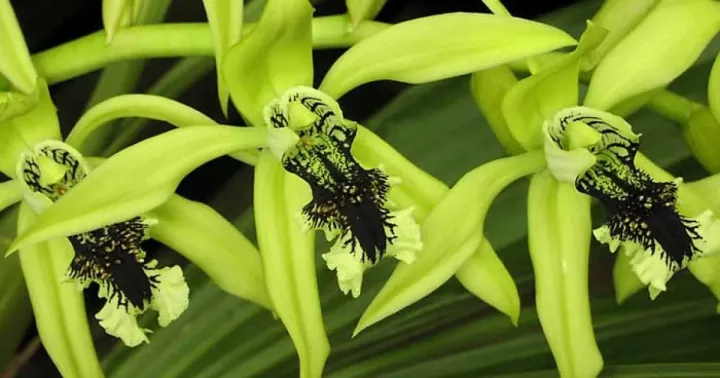
Description
Growing requirements
Coelogyne pandurata is a remarkable epiphytic orchid species belonging to the Orchidaceae family. It is native to the tropical forests of Borneo, where it grows in high-humidity habitats, typically attached to branches of trees.
To cultivate this species successfully, it is essential to maintain high relative humidity levels, ideally between 70% and 80%. Adequate air circulation is crucial to prevent moisture stagnation, which can lead to fungal issues and root suffocation.
The plant thrives in warm tropical conditions with ideal daytime temperatures ranging from 22 to 28 degrees Celsius. Providing a slight temperature drop at night is beneficial for metabolic processes and encouraging regular annual blooming.
The substrate must provide excellent drainage and aeration. A mixture of high-quality fir bark, charcoal, and sphagnum moss is the preferred choice for these plants. Cultivation in slatted wooden baskets is often more successful than in traditional pots.
Bright, filtered light is necessary for healthy growth and optimal chlorophyll production. Direct sunlight, especially during midday hours, can severely burn the foliage, so shading may be required depending on the intensity of the light source.
Main diseases and pests
Pests such as spider mites, mealybugs, and scale insects are common threats to this orchid. Regular monitoring of the foliage and pseudobulbs is advised, along with the application of appropriate horticultural oils or insecticides when necessary.
Pathogenic fungi and bacteria often attack the root system or the pseudobulbs if the watering regime is too intensive or if the air is stagnant. To avoid these issues, ensure that the substrate dries slightly between waterings and keep leaves dry at night.