
Coelogyne ovalis
Coelogyne ovalis
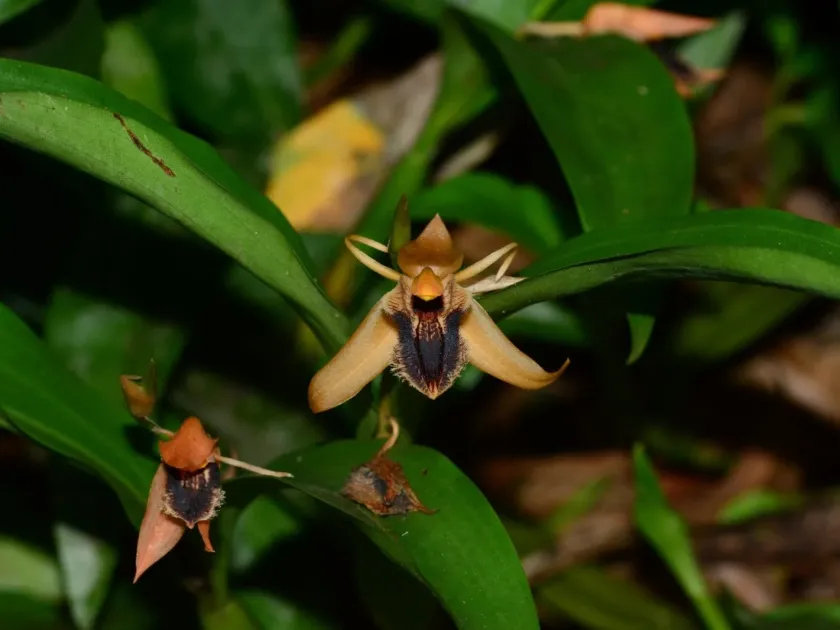
Description
Growing requirements
Coelogyne ovalis is an epiphytic orchid species belonging to the Orchidaceae family. Native to the humid forests of South-East Asia, including India and China, this plant is well-adapted to high-humidity environments found in mountain regions.
Botanically, it features a sympodial growth habit with ovoid pseudobulbs spaced along a rhizome. Its foliage consists of leathery, deep green leaves that demonstrate a high degree of resilience in shaded forest understories.
Regarding climate, the plant requires cool to intermediate temperatures. It performs best in a range of 20–25 °C during the day, provided that the night temperature drops slightly to facilitate healthy pseudobulb development.
Light intensity should be carefully managed, as this orchid prefers indirect light. Intense midday sun can quickly damage the leaves, so positioning the plant in a spot with filtered light is essential for its long-term survival.
A high-quality potting medium is crucial for this species. A mixture of pine bark, charcoal, and perlite or sphagnum moss is recommended to ensure the roots receive adequate aeration while maintaining the required moisture levels.
Main diseases and pests
Pests such as spider mites, mealybugs, and scale insects are common threats to Coelogyne ovalis. These organisms can quickly compromise the plant's health by feeding on the sap, especially in poorly ventilated environments.
Bacterial and fungal rot are the most significant threats to the root system and pseudobulbs. These conditions are almost always caused by improper watering techniques or using a substrate that lacks sufficient drainage and aeration.
To mitigate these risks, it is important to implement a strict monitoring routine. Regularly checking the leaf undersides and the base of the pseudobulbs helps in identifying infestations or rot symptoms at the earliest stage.
Sanitation is key to disease prevention. Tools should be sterilized before pruning, and any infected plant tissue must be removed immediately to prevent the spread of pathogens to healthy parts of the orchid.
Effective pest management also involves controlling the microclimate. Providing gentle air circulation reduces the stagnant humidity that often facilitates the rapid spread of fungal spores and pest colonies across the collection.