
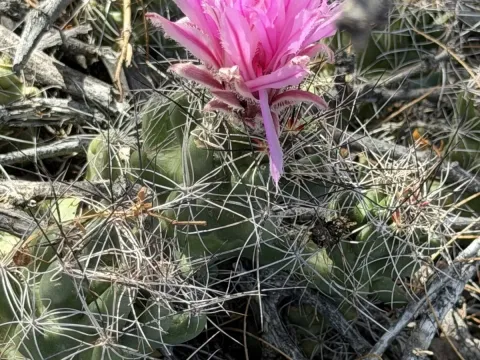
Coryphantha macromeris
Coryphantha macromeris
Propagation of Coryphantha macromeris is primarily achieved through seed sowing, which is most successful during the spring season. Warming conditions and increased day length are essential to stimulate the germination of seeds within the Cactaceae family.
What the section contains
Coryphantha macromeris
The seeding substrate must be highly porous, typically composed of a mix of pumice, sand, and sterile peat. Ensuring proper drainage is the most critical factor during the initial germination phase to prevent damping-off diseases that frequently plague cactus seedlings.
Seeds should be sown on a slightly moistened surface and kept under a transparent cover to maintain humidity. Consistent temperatures between 22–25 degrees Celsius are necessary for optimal results, as fluctuations can significantly delay the emergence process.
Once seedlings emerge, the covering should be gradually removed to introduce them to ambient air conditions. Watering must be done carefully, ideally using a misting technique or bottom watering, to maintain moisture without drowning the fragile juvenile plants.
Vegetative propagation via offsets is another method for increasing the population. Offsets should be carefully removed, allowed to form a callus over several days in a shaded area, and then placed into a coarse, well-draining substrate to initiate root formation.
Coryphantha macromeris is a desert plant native to the arid regions of North America, specifically Mexico and the United States. It belongs to the Cactaceae family and is well-adapted to high-light environments and significant diurnal temperature variations.
For successful cultivation, the plant requires maximum solar exposure to maintain its characteristic compact shape and vibrant health. Inadequate lighting will cause the plant to etiolate, making it highly susceptible to physiological disorders and physical weakness.
The soil profile must be inorganic-dominant, focusing on components like granite chips, perlite, and coarse sand. This composition mimics the natural habitat and prevents the accumulation of water, which is detrimental to the fibrous root system of this species.
Watering requirements follow a seasonal cycle: generous watering is needed during the active growth phase, provided the soil dries out completely between sessions. During the dormant winter period, water should be withheld to encourage the plant's rest phase.
Temperature management is vital, with a preference for cool winter conditions ranging between 5 and 12 degrees Celsius. This cooling period is necessary for the plant's metabolic reset and future flowering capacity in the subsequent growing season.
Root rot is the most common agronomic threat to Coryphantha macromeris, usually triggered by poor drainage or overwatering. Symptoms include the softening of the stem base and loss of structural integrity, often requiring emergency surgery or repotting.
Mealybugs are frequent pests that colonize the deep crevices between the cactus tubercles. They feed on the sap and can lead to secondary infections by attracting ants or promoting the growth of black sooty mold on the plant surface.
Spider mites represent a significant risk, particularly in dry, poorly ventilated indoor environments. These pests puncture the cactus skin, resulting in discolored, scarred patches that permanently damage the visual appeal and health of the specimen.
Treatment involves the use of systemic insecticides or targeted acaricides depending on the type of pest detected. Application should be performed cautiously, ensuring that the chemical agents do not cause chemical burns or necrotic spotting on the plant tissue.
Integrated pest management, including regular inspection of the tubercles and proper air circulation, serves as the primary defense against recurring infestations. Proactive care and maintaining correct environmental conditions are key to ensuring the longevity of this cactus species.