
Coryphantha delicata
Coryphantha delicata
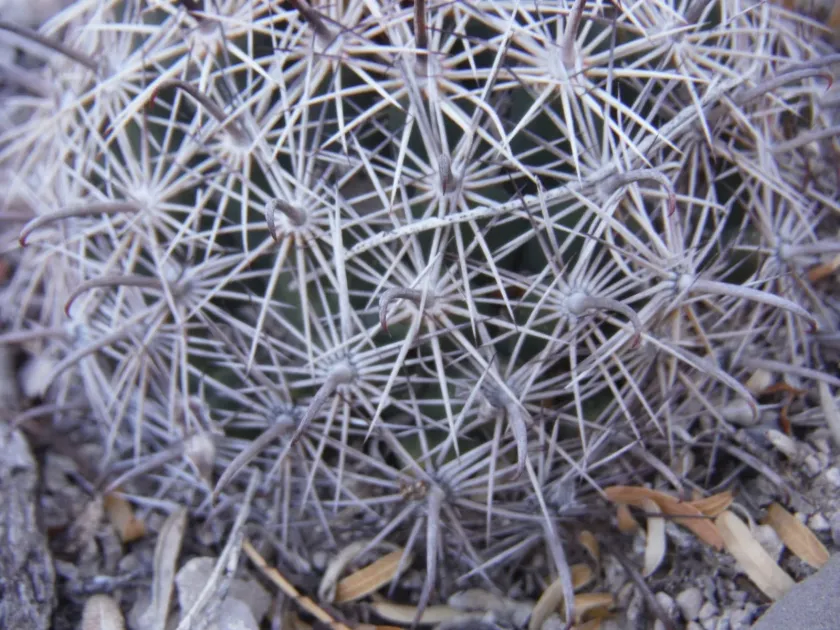
Description
Sowing dates
The propagation of Coryphantha delicata is primarily achieved through seeds sown in early spring to take advantage of increasing light levels. Seeds should be placed on a sterile, sandy substrate to prevent fungal contamination during the sensitive germination phase.
Maintaining a consistent temperature between 22-25°C is essential for successful seedling emergence. The substrate must be kept evenly moist but not waterlogged, usually achieved by covering the container with transparent plastic or glass.
Once seedlings develop their first spines, the humidity should be gradually reduced to harden the plants. Overly humid environments at this stage encourage rapid but weak growth that is prone to collapse and rotting.
Vegetative propagation via offsets is possible for mature specimens that produce lateral growth. Carefully detach the offsets using a clean tool and allow the wound to callus over for several days in a dry, shaded area.
Once callused, plant the offsets in a dry, well-draining cactus mix. Avoid any watering for the first week to allow the plant to adjust and initiate root development without the risk of microbial infection.
Growing requirements
Coryphantha delicata belongs to the Cactaceae family and is native to the arid regions of Mexico. It requires intense, bright light to maintain its compact shape and to stimulate the production of healthy, dense spines.
The soil must be highly porous and inorganic-heavy to ensure rapid drainage. A mix containing coarse river sand, volcanic rock, and a small portion of loam is highly recommended for long-term health and root vitality.
During the summer growing season, the plant thrives in warm conditions with good air circulation. A significant drop in nighttime temperatures mimics its natural habitat and is beneficial for its metabolic cycles.
Winter care involves a strict dormant period where the plant should be kept cool, around 8-12°C, and completely dry. Any moisture during this time significantly increases the risk of root rot and death.
Minimal fertilization is required, only during the active growth period and at half the recommended strength. Over-fertilization can lead to bloated, fragile stems that are less resistant to pests and extreme weather.
Main diseases and pests
The most common threat to this species is root rot caused by overwatering or poorly draining soil. If the stem starts to soften at the base, it is an urgent sign that the root system has failed and requires immediate inspection.
Pests such as mealybugs and spider mites are frequent invaders that target the crevices between the tubercles. Regular cleaning and prophylactic treatment with appropriate systemic insecticides are effective measures against these infestations.
Sunburn can occur if the plant is moved too suddenly from low-light conditions to direct, intense sunlight. The damaged areas turn brown and corky, permanently affecting the plant's aesthetic value and health.
Etiolation is a condition where the plant stretches unnaturally towards a light source, resulting in a thin, weak stem. This condition is irreversible and weakens the structural integrity of the plant for the rest of its life.
Fungal pathogens can enter through small cracks or injuries in the epidermis. Always ensure that the environment is well-ventilated and that humidity levels are not excessively high, particularly during damp or cool weather.