
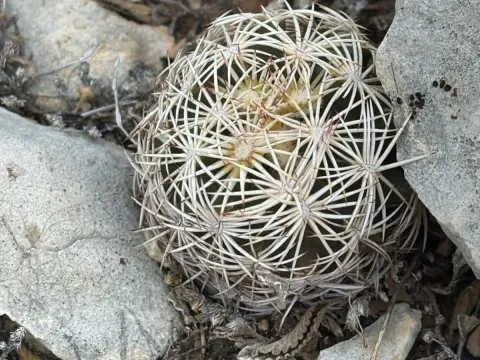
Coryphantha echinus
Coryphantha echinus
Propagation of this culture in controlled environments is most commonly carried out via seeds. Sowing is best performed in spring when the daylight hours begin to increase, which is highly beneficial for seed germination rates.
What the section contains
Coryphantha echinus
To ensure successful germination, it is essential to use a loose substrate with a high content of sand or gravel. Seeds should not be planted too deep; they should be lightly covered with a fine substrate to ensure contact with moist soil.
The temperature regime during germination should be maintained between 22 and 25 degrees Celsius. It is important to maintain stable air humidity, although excessive moisture can lead to fungal infections in seedlings.
Coryphantha seedlings grow slowly and require regular ventilation of the greenhouse environment. Gradual acclimation of young plants to dry air should begin after the first true spines appear.
Vegetative propagation is possible through offsets, which are carefully separated from the mother plant, dried for several days, and planted in a dry substrate to encourage root development.
Coryphantha echinus is a member of the Cactaceae family, naturally occurring in the arid regions of Mexico and the southern United States. This plant is adapted to survive with limited rainfall and intense solar radiation.
For indoor cultivation, the plant requires maximum exposure to bright light. If sunlight is insufficient, the plant's stem may deform, losing its natural shape and the density of its epidermis.
The soil mix must possess excellent drainage characteristics. An optimal medium consists of a mineral-based substrate, incorporating turf soil, coarse sand, and crushed brick in equal proportions.
During the summer, the plant requires moderate watering only after the soil ball has dried completely. Excessive moisture, particularly around the root collar, is fatal for this species of succulent.
In winter, Coryphantha requires a dormancy period in cool temperatures, ideally between 8 and 12 degrees Celsius. During this time, watering must be completely suspended to stimulate future blooming.
The primary threat to the health of this cactus is root rot, caused by standing water in the pot. An affected plant often loses turgor pressure and can perish in a short amount of time.
In indoor environments, the most common pest is the spider mite. These pests prefer to inhabit the young tips and the axils of the areoles, feeding on the plant's sap.
Mealybugs can also pose a significant danger, leaving characteristic white, cotton-like secretions on the stem surface. Combating them requires the use of systemic insecticides and mechanical removal.
Improper winter conditions, such as high heat combined with low light, can lead to etiolation. While not a disease in the traditional sense, it is a critical agronomic failure that weakens the plant's overall immunity.
To prevent pest infestations, regular inspections and the maintenance of optimal air circulation around the collection of cacti are highly recommended.