
Coryphantha nickelsiae
Coryphantha nickelsiae
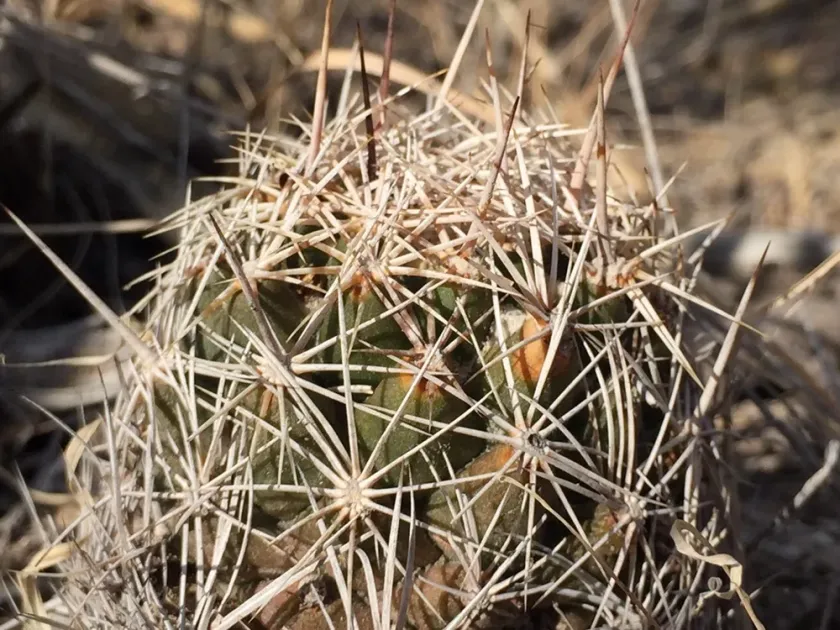
Description
Sowing dates
Propagation of Coryphantha nickelsiae is primarily achieved through seeds, which should be sown in early spring to take advantage of increasing daylight hours. This timing provides the natural biological trigger required for successful germination.
The sowing medium should be highly mineralized, consisting of well-draining grit, coarse sand, and a small portion of sterile peat. Seeds are sown on the surface and pressed gently, maintaining high humidity and a consistent temperature of 22–26 degrees Celsius.
Once seedlings begin to emerge, daily ventilation of the seedling tray is essential to minimize the risk of fungal infections and damping-off, which are common threats to young cacti in humid environments.
As the seedlings develop, they should be gradually acclimated to lower humidity levels. Pricking out or transplanting is typically performed after the plants have established their first set of robust spines, usually within the first year of growth.
Vegetative propagation via offsets is another method used for mature plants. Offsets are carefully detached, allowed to dry for several days to form a callus, and then planted in a dry sandy substrate until rooting occurs.
Growing requirements
Coryphantha nickelsiae, a member of the Cactaceae family, originates from the arid landscapes of Northern Mexico. As a sun-loving species, it requires intense light exposure to maintain its characteristic shape and promote healthy flowering cycles.
The substrate must be exceptionally porous and free-draining. A mix of pumice, perlite, and coarse sand with minimal organic material is ideal, as it ensures that the roots do not remain saturated, which is crucial for the health of desert cacti.
Watering protocols should follow a strict seasonal cycle. During the active growing season from spring to late summer, the soil should be thoroughly saturated and then allowed to dry completely before the next watering session.
Winter dormancy is vital for the plant's health. During this period, the plant should be kept in a dry, cool location with temperatures ranging from 8 to 12 degrees Celsius, with watering significantly reduced or stopped entirely.
While primarily cultivated in botanical collections, this species is highly valued for its compact growth habit and intricate spine structures, making it an excellent addition to specialized succulent displays and desert-themed landscapes.
Main diseases and pests
Root and stem rot caused by overwatering or poor drainage remains the most significant threat to Coryphantha nickelsiae. Proper soil structure is the first line of defense against these pathogens, supplemented by careful observation of watering habits.
Mealybugs are common pests that thrive in the dense woolly gaps between the plant's tubercles. These insects can be difficult to spot until they reach significant populations, necessitating regular inspections and prompt treatment with systemic insecticides.
Spider mites can also be problematic in environments with low airflow and high heat. These tiny pests pierce the epidermis, leaving unsightly marks and predisposing the plant to secondary infections if left unchecked.
Root mealybugs pose a hidden threat, as they live below the surface, damaging the root system and stunting plant growth. If a plant appears unexpectedly unhealthy, checking the root system for white, cotton-like masses is essential.
Bacterial infections, often triggered by mechanical damage or excessive moisture during cool weather, manifest as soft, discolored patches. Surgical removal of the infected tissue, followed by antiseptic treatment, is the only way to save the plant.