
Cumarinia
Cumarinia
Cumarinia is a monotypic genus of succulent plants belonging to the Cactaceae family. In their natural habitat, these cacti are found in limited geographical areas of Mexico, where they thrive on rocky, well-drained limestone-based soils.
What the section contains

Cumarinia
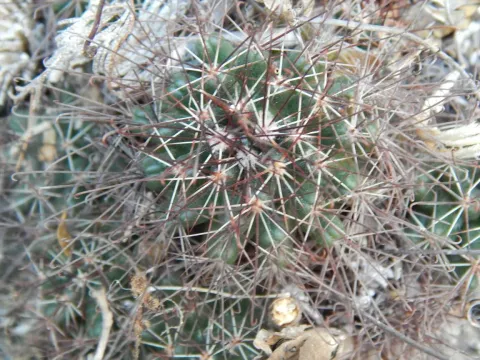
The plant possesses distinct botanical traits: the stem is typically solitary, spherical or slightly elongated, and covered with characteristic tubercles. A key feature of the species is the presence of long, stiff spines that protect the plant's epidermis from extreme heat and herbivory.
Successful cultivation requires bright, direct sunlight. In low-light conditions, the stem will quickly lose its natural compact shape, becoming etiolated and increasingly susceptible to rot. The plant is exceptionally sensitive to high air humidity.
The growing substrate for this species must consist primarily of mineral components such as gravel, coarse sand, and crushed brick. Nutrient-rich soil should constitute no more than 20-30%, as the cactus is evolutionarily adapted to poor but highly porous growing media.
During the active growing season, temperature ranges should be moderately high, while winter conditions must be cool and dry. This allows the plant to enter a necessary dormant phase, which is essential for healthy flower formation and robust root development.
The primary threat to Cumarinia is excessive soil moisture, which frequently leads to root and stem rot. Neglecting the irrigation schedule during the dormant winter period almost invariably leads to plant loss due to fungal infections.
Among common pests, the spider mite poses the greatest threat, attacking the epidermis when air humidity is low. The species is also prone to infestations by mealybugs, which settle in the axils of the tubercles to feed on the plant's sap.
To combat fungal diseases, broad-spectrum fungicides are utilized; however, consistent moisture control remains the best preventive measure. Ensuring high-quality air circulation in the greenhouse or growing area is critical for plant health.
For pest management, systemic insecticides are recommended. Regular inspections of the plant are vital, particularly during the spring and summer months when insect activity peaks. Applications should be performed during cool morning or evening hours.
The use of non-sterile substrate during repotting can also introduce soil nematodes. It is strongly advised to bake or chemically disinfect the potting soil before introducing young specimens to their new containers.