
Coryphantha jalpanensis
Coryphantha jalpanensis
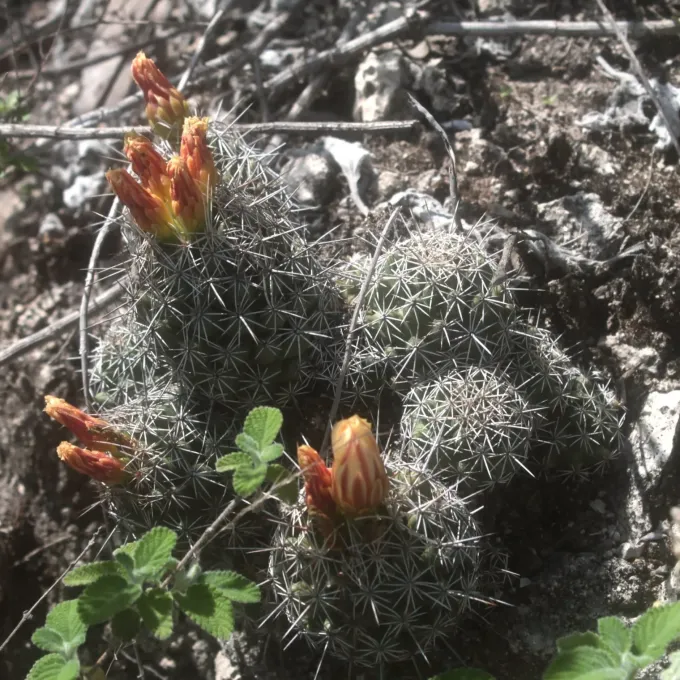
Description
Sowing dates
Propagation of Coryphantha jalpanensis from seeds is typically carried out in late spring. This timing allows the seedlings to benefit from the increasing day length, which is crucial for early root development.
The seeding substrate must be extremely porous and sterile to prevent fungal outbreaks. A mixture of fine sand and perlite is generally recommended, kept consistently moist but not waterlogged in the initial stages.
Seeds are sown on the surface and lightly covered with a thin layer of sand. Covering the container with plastic or glass maintains the necessary humidity level during the germination period.
A constant temperature between 22 and 25 degrees Celsius is ideal for germination. Direct sunlight must be avoided during the first weeks of the seedlings' life to prevent scorching and dehydration.
Transitioning seedlings to lower humidity levels should be done gradually once they develop their first set of thorns. Patience is required, as this species develops relatively slowly in the first year.
Growing requirements
Coryphantha jalpanensis is a member of the Cactaceae family, native to the arid landscapes of Mexico. It is characterized by its compact, globular form and distinct tubercles, which are typical for the Coryphantha genus.
This species requires high light intensity to maintain its natural growth habit. In indoor cultivation, placing it in a south-facing position is essential to prevent etiolation and maintain the density of the spines.
The soil requirements focus on excellent drainage and mineral composition. A suitable mix includes gravel, coarse sand, and a small amount of grit, ensuring that water passes through quickly and does not accumulate near the roots.
Watering should be sparse and only performed when the soil is completely dry. Overwatering is the most common cause of failure, as the plant's roots are highly susceptible to rot when kept in damp conditions.
A distinct winter dormancy period is required for the plant to thrive. Keeping the plant cool and dry during the winter months stimulates flowering and prepares it for the subsequent growing season.
Main diseases and pests
The most significant threats to Coryphantha jalpanensis are root and stem rots caused by excessive humidity. These conditions are usually fatal and progress rapidly, leaving little room for corrective treatment.
Spider mites are common pests that thrive in dry environments. They often colonize the spaces between the tubercles, causing unsightly damage and weakening the plant's structural integrity.
Mealybugs are another potential threat, often found in sheltered spots on the plant's body. Early detection and mechanical removal combined with systemic treatment are usually effective in managing these outbreaks.
Inadequate ventilation can lead to fungal infections, especially during humid weather. Improving air circulation around the plants is a critical preventive measure for maintaining overall health.
- Use high-quality drainage materials.
- Perform regular checks for pest signs.
- Strictly follow the winter dry rest cycle.