
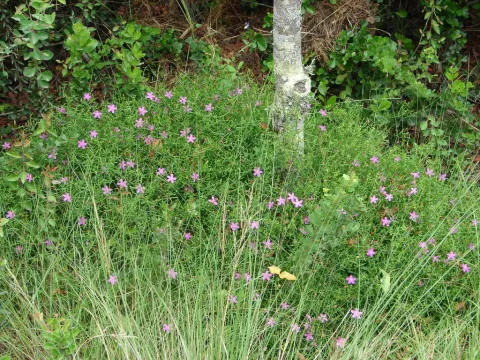
Chironia
Chironia L.
Sowing seeds of Chironia should be done in early spring using a sterile, well-draining seed-starting mix. The seeds are exceptionally small, requiring surface sowing with minimal to no covering with soil.
What the section contains
Chironia
To ensure successful germination, the tray must be kept in a warm, bright location, ideally with a constant temperature around 20 degrees Celsius. Humidity control is crucial during the early stages of growth.
Light is a key factor for the germination of Chironia; therefore, ensure that the sowing containers are placed in an area with sufficient natural or artificial light to prevent the seedlings from becoming leggy.
Once the seedlings have developed their first set of true leaves, they should be carefully pricked out into individual small pots. This stage requires delicate handling to avoid damaging the fragile root systems.
Hardening off is a necessary step before moving the young plants to their final outdoor location. Gradually expose them to outdoor conditions over the course of ten to fourteen days to ensure strong development.
Chironia belongs to the Gentianaceae family and thrives in conditions that mimic its native South African habitat. It requires a sunny, open environment to reach its full flowering potential.
The soil must be slightly acidic and porous. Amending heavy soils with sand, grit, or perlite is essential to prevent waterlogging, which the plant is highly intolerant of throughout its life cycle.
Temperature management is vital; Chironia is not frost-tolerant. If grown in cooler climates, it must be treated as a seasonal annual or kept in a climate-controlled greenhouse during the colder months.
Watering should be deep but infrequent, allowing the substrate to dry out partially between applications. This method mimics the natural wetting and drying cycles found in the plant's endemic regions.
Fertilization should be applied sparingly. A balanced, low-nitrogen liquid fertilizer used once a month during the active growing season will promote steady growth without encouraging excessive vegetative bulk.
The harvest of Chironia for medicinal or chemical analysis involves the careful selection of flowering stems. These parts contain the highest density of active compounds, particularly bitter glycosides.
When harvesting for medicinal use, cut the stems just above the basal foliage to ensure the plant has a chance to recover. Use clean, disinfected shears to prevent the introduction of pathogens.
Post-harvest drying must occur in a shaded, well-ventilated area. Rapid drying in direct sun can degrade the chemical composition of the plant, reducing its therapeutic efficiency.
For ornamental gardens, deadheading is standard practice. Removing spent flowers prevents seed production and redirects the plant's metabolic energy into creating a second flush of blossoms.
Seed collection for future propagation should only be performed on the healthiest plants. Wait until the seed pods turn a dark, brittle brown before harvesting them to ensure maturity.
Fungal pathogens, particularly those causing damping-off, represent the most significant threat to Chironia seedlings. Proper airflow and avoiding over-saturated soil are the primary preventive measures.
Root rot is a common issue for adult plants kept in poorly drained pots. If signs of yellowing leaves appear without cause, check the root system immediately for damage and replace the substrate.
Pests like aphids are known to colonize the tips of young shoots. Early detection is key to control; often, a simple water spray or mild insecticidal soap is sufficient to manage the population.
Spider mites can become a nuisance if the plant is kept in an environment with low humidity and high heat. Regular misting or monitoring for fine webbing can help keep these pests at bay.
Maintaining a clean growing area and promptly removing any infected plant tissue helps prevent the spread of diseases, ensuring the long-term health and vigor of your Chironia collection.