
Coryphantha kracikii
Coryphantha kracikii
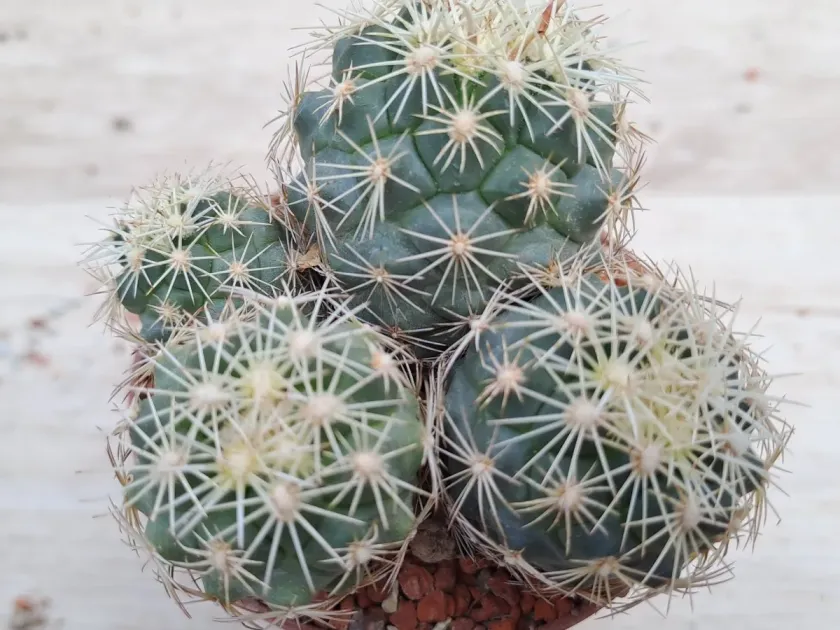
Description
Sowing dates
Sowing seeds of Coryphantha kracikii is best done during the spring months, as the increasing light levels promote robust early growth. March and April are considered optimal, ensuring that seedlings receive enough natural light to establish themselves properly.
For successful germination, use a substrate consisting of equal parts sand and loam, which has been sterilized to prevent contamination. Maintaining a stable temperature between 22 and 25 degrees Celsius and high air humidity is essential until the first seedlings emerge from the soil.
Seed trays should be shallow but provide excellent drainage to avoid water accumulation, which is detrimental to fragile seedlings. Seeds should be sown on the surface and covered with a very thin layer of fine sand to create a microclimate conducive to germination.
The first few weeks after emergence require careful monitoring of humidity levels and consistent ventilation to avoid fungal infections, which can quickly wipe out a tray of seedlings. Using specialized grow lights helps prevent etiolation, keeping the plants compact and healthy.
Pricking out the young plants is typically performed 6 to 8 months after the first spines develop, when the root system has matured enough to handle the stress of transplanting into individual pots.
Growing requirements
Coryphantha kracikii belongs to the Cactaceae family and is a rare specimen native to the arid regions of Mexico. This plant has adapted to extreme temperature fluctuations and water scarcity in the wild, which dictates its specific care requirements in cultivation.
The cactus requires maximum sunlight exposure throughout the growing season, making south-facing windows or greenhouses ideal. Without sufficient light, the stem will lose its characteristic compact shape and the spines will become weak and discolored.
The soil mixture must be extremely porous and mineral-based, with minimal organic content to mimic the rocky natural habitat. A mix of gravel, coarse sand, and a small amount of leaf mold provides the necessary aeration for the root system to breathe.
Watering must be strictly regulated: during the growing season, water only after the substrate has dried out completely. In winter, the plant requires a period of dormancy, necessitating complete dryness and cool temperatures between 10 and 12 degrees Celsius.
Adequate air circulation around the stem is vital, as stagnant humid air can trigger rot at the base of the plant. Coryphantha kracikii is highly valued by collectors for its unique aesthetic, and proper agronomic practice is key to maintaining its long-term health.
Main diseases and pests
Primary threats to Coryphantha kracikii include overwatering and poor ventilation, which often lead to root and stem rot. If soft patches appear on the stem, immediate surgical removal of the affected tissue followed by treatment with a fungicide is required.
Spider mites are a major pest for this cactus, often appearing as fine webbing accompanied by a yellow-gray discoloration of the epidermis. Regular inspections and the use of appropriate acaricides are effective in stopping these infestations before they spread.
Root mealybugs are hidden threats that inhabit the soil and drain nutrients from the root system. An infected plant stops growing and appears stunted, making the use of systemic insecticides during repotting or at the first sign of trouble essential for survival.
Scale insects can hide deep within the axils of the spines, where they are difficult to detect early on. Regular cleaning of the stem surface with a soft brush and the application of alcohol-based solutions can prevent these pests from colonizing the plant.
Disease prevention is based on rigorous hygiene, the use of high-quality disinfected soil, and the avoidance of excessive nitrogen fertilizers, which make the plant tissues succulent and highly attractive to sap-sucking insects.