
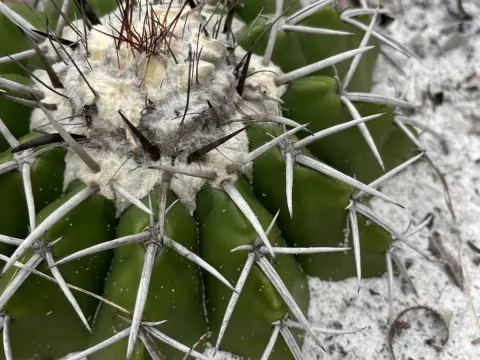
Discocactus
Discocactus
Propagation of Discocactus is primarily achieved through seeds, which require specific conditions for successful germination. Sowing should take place in early spring to utilize the increasing day length and temperature, which are essential for vigorous growth of young seedlings.
What the section contains


Discocactus
The substrate for sowing must be sterile, porous, and light, often consisting of a mixture of fine peat and coarse sand or perlite. Maintaining the sterility of the growing medium is crucial, as young cacti are highly susceptible to damping-off fungi and other soil-borne pathogens.
Seeds are sown on the surface and should not be covered with a thick layer of soil, as light is often a trigger for germination in many species. Covering the container with transparent plastic helps maintain the high humidity levels necessary for the delicate seedlings to emerge.
Temperature during germination should be kept consistently between 25 and 30 degrees Celsius. Regular monitoring of moisture levels is required, but stagnant water must be strictly avoided as it leads to rapid decay of the tiny, developing roots.
Once seedlings reach a stage where they are resilient enough to handle transplantation, they should be carefully pricked out into individual small pots. The slow growth rate of this genus requires patience and consistent care during the first year of the plant's life cycle.
Discocactus is a genus within the Cactaceae family, native to tropical regions of South America, particularly Brazil. These plants are uniquely adapted to specific microclimates and generally do not tolerate cold temperatures, requiring warmth throughout the year.
Light requirements for these cacti are high, but they must be protected from intense, direct midday sun which can easily scorch their skin. Diffused, bright light is considered ideal to maintain the natural color and healthy growth of the succulent stem.
Soil composition must be exceptionally well-draining, as the roots are highly sensitive to moisture accumulation. A mix containing gravel, coarse sand, and a small amount of organic matter is usually sufficient to support their growth in a container environment.
Watering must be done with extreme caution; the substrate should be allowed to dry out almost completely between sessions. During the winter, even in warm conditions, water intake should be significantly reduced to mimic the plant's natural environmental cycles.
The genus is characterized by the development of a cephalium—a specialized woolly structure at the top of the plant—where the flowers eventually emerge. This developmental milestone is a sign that the plant has reached maturity and requires optimal conditions for consistent flowering.
Root rot is the most common and fatal condition affecting Discocactus, typically caused by improper watering regimes or poor drainage. Once established, the fungus can destroy the internal structure of the cactus before external symptoms become visible.
Mealybugs are frequent pests that infest the crown, the cephalium, or the root system, causing significant stress to the plant. Manual removal combined with the application of appropriate systemic insecticides is often necessary to control severe infestations.
Spider mites represent a threat to the plant's epidermis, especially in conditions where the air is too dry or stagnant. Their feeding activity results in discolored, scarred patches on the cactus stem, which reduces its overall vigor and aesthetic value.
To mitigate the risks of disease, growers must ensure excellent air circulation in their greenhouses or indoor cultivation areas. Regular inspection of the base of the stem is a vital practice for detecting early signs of tissue breakdown or rot.
If nematodes or other soil pests are suspected, the only effective management strategy involves repotting into fresh, disinfected media. Proper hygiene and the use of quality, well-draining soil mixes remain the most effective preventive measures against almost all major threats.