
Coryphantha tripugionacantha
Coryphantha tripugionacantha
Description
Growing requirements
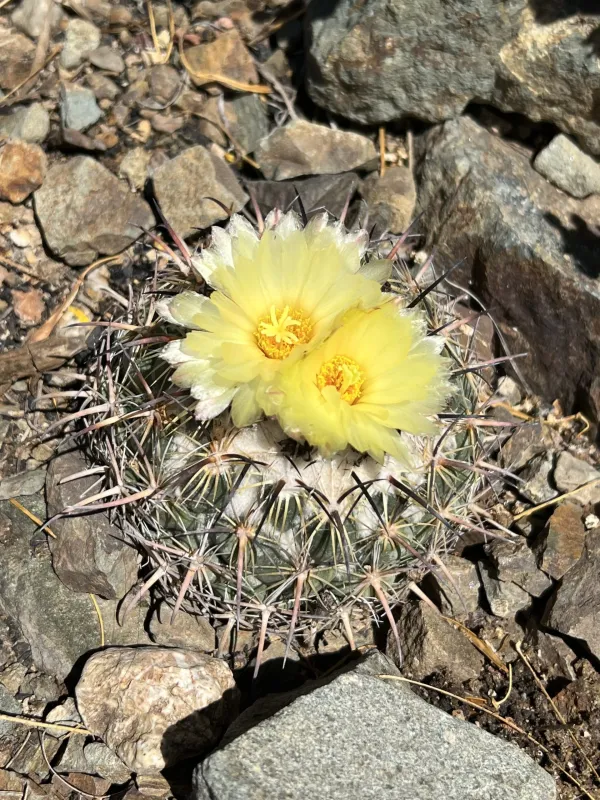
Coryphantha tripugionacantha is a distinct species within the Cactaceae family, native to the arid mountainous regions of Zacatecas, Mexico. Known for its compact, globular form and formidable dagger-like spines, it is a prized specimen for collectors of rare desert flora.
Botanically, the plant is characterized by its tubercles arranged in spiral patterns, each topped with a radial and central spine structure. These spines provide shade to the plant's surface and help catch condensation in its native arid habitat, which is essential for survival in dry environments.
For successful cultivation, the plant requires high levels of solar radiation. Placed in a greenhouse or on a sunny windowsill, it needs intense light to maintain its compact shape and promote the development of its signature, robust spines. Lack of sufficient light often results in etiolation.
The substrate must be highly mineral-based, typically a mix of coarse grit, pumice, and minimal organic matter. Excellent drainage is non-negotiable; water must be able to flow through the pot immediately to prevent the root system from sitting in moisture, which is the primary cause of sudden plant loss.
Temperatures should mimic the high desert environment, with warm days and significantly cooler nights. During the winter dormancy period, the plant must be kept dry and cool, ideally between 5°C and 10°C, to ensure it enters a state of rest necessary for future blooming.
Main diseases and pests
The most significant threat to Coryphantha tripugionacantha is root rot. This fungal ailment is almost exclusively triggered by overwatering or poor ventilation, which prevents the soil from drying out within a reasonable timeframe.
Mealybugs are the most common insect pests, often hiding deep within the crevices between the tubercles where they are hard to detect until the infestation becomes advanced. Manual removal or application of systemic insecticides is recommended upon the first sign of white filaments.
Spider mites can also attack the plant, particularly in dry and stagnant air. These pests cause discoloration of the epidermis, often seen as fine, dusty spots. Regular misting with an insecticide or using a miticide can help manage these populations effectively.
Good hygiene practices, such as removing dead flowers and debris from around the base of the cactus, significantly reduce the risk of secondary fungal infections. Maintaining a clean cultivation area is a simple yet effective strategy for long-term plant health.
If rot is detected on the stem, surgical removal of the infected tissue followed by treatment with sulfur powder or a fungicide is required. Once the wound has calloused over, the plant can be repotted into fresh, dry soil to encourage new root growth.