
Coryphantha cornifera
Coryphantha cornifera
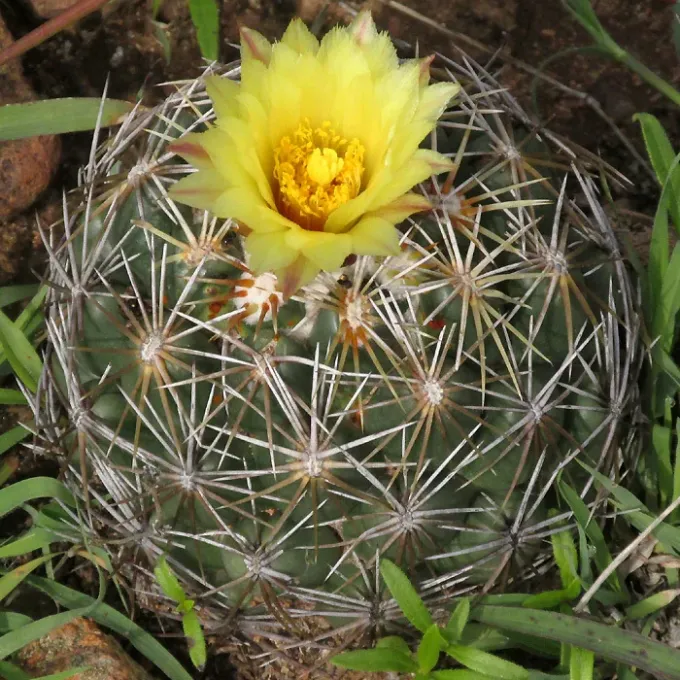
Description
Growing requirements
Coryphantha cornifera is a perennial succulent belonging to the Cactaceae family. Native to the central regions of Mexico, this plant has adapted to rocky, limestone-rich habitats, making it a highly specialized species for cultivation in xerophytic conditions.
This species requires high light intensity to maintain its characteristic compact, globular shape. In professional agricultural settings or greenhouses, it should be placed in areas with maximum exposure to sunlight, ensuring the plants do not become etiolated.
Soil requirements focus on extreme drainage. The substrate should be highly mineral-based, typically consisting of porous rocky materials, coarse sand, and a small amount of sandy loam. This prevents root rot by allowing rapid water percolation.
Optimal growth occurs at temperatures between 22 and 30 degrees Celsius during the active season. The plant thrives when there is a significant drop in temperature during the night, which mimics the natural diurnal cycles of its native environment.
A strict winter dormancy period is essential. During the cooler months, the plant should be kept dry at temperatures around 8–12 degrees Celsius. This phase is critical for the physiological processes that lead to the production of its flowers.
Main diseases and pests
Root rot is the most common threat, primarily caused by excessive moisture or heavy, water-retaining soils. Once the root system is compromised by fungal pathogens, the damage to the central part of the cactus is often irreversible.
Spider mites are a significant pest, particularly in dry and poorly ventilated environments. They target the succulent epidermis, leaving behind necrotic spots that permanently scar the plant and facilitate secondary fungal infections.
Root mealybugs can infest the underground parts of the cactus, weakening the entire organism. Because they are hidden in the soil, they are often detected only when the plant shows clear signs of stunted growth or dehydration.
Scale insects can attach themselves to the stem, feeding on the plant sap. If left untreated, these pests form large colonies that sap the energy of the plant, leading to yellowing and eventual decline of the tissues under the infestation sites.
Integrated pest management, including regular inspection and the application of suitable acaricides and fungicides, is necessary for maintaining healthy specimens. Ensuring proper airflow around the collection prevents the onset of most pathogenic threats.