
Missouri foxtail cactus
Coryphantha missouriensis
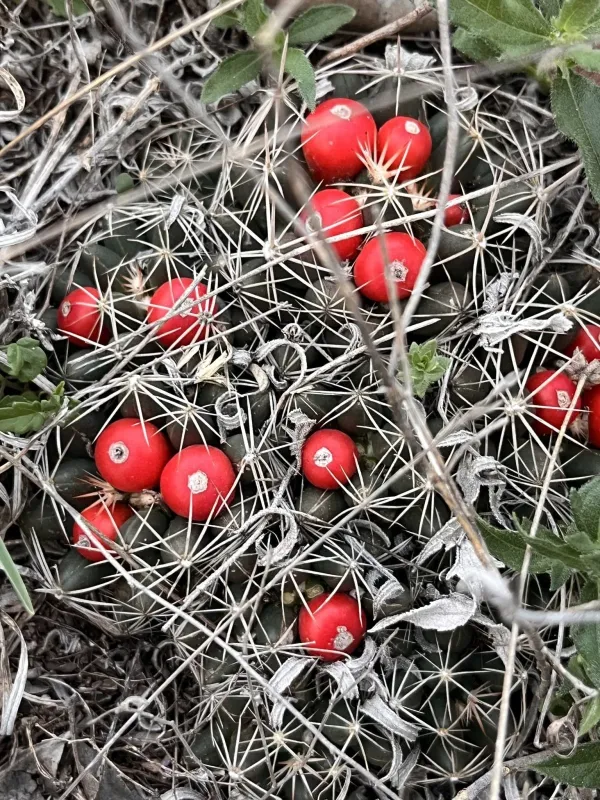
Description
Growing requirements
The Missouri foxtail cactus (Coryphantha missouriensis) belongs to the family Cactaceae. It is a hardy succulent native to the grasslands and prairies of the Great Plains in North America, adapted to harsh environmental conditions.
Morphologically, the plant presents as a globose or slightly cylindrical stem adorned with tubercles. These tubercles are topped with spines that protect the plant from wildlife and assist in collecting atmospheric moisture from dew.
Cultivation requirements necessitate high levels of light intensity. If grown in greenhouses or nurseries, they require long periods of direct sun exposure to maintain their natural, compact shape and healthy spine color.
The soil profile must mimic the rocky, alkaline soils of the native prairies. A highly mineralized substrate consisting of crushed granite, sand, and a minimal portion of loamy soil ensures optimal water drainage.
Climate management requires a strict distinction between the growing season and the dormant winter period. During the winter, the plants need to be kept dry and cool, ideally between 5°C and 10°C, to ensure spring flowering.
Main diseases and pests
The most significant threat to the health of this species is root rot, triggered by poor drainage or overwatering. Once rot settles into the core of the stem, the plant is typically beyond recovery.
Mealybugs are the primary pest affecting this cactus, often hiding deep within the dense spine network or between tubercles. Their presence leads to stunted growth and secondary infections by fungi.
Red spider mites pose a risk in environments with low humidity and high temperatures. They manifest as fine webbing and yellow stippling on the skin, which can permanently scar the cactus tissue.
Bacterial soft rot can occur if the cactus is physically wounded and kept in humid conditions. Prevention involves maintaining dry conditions and ensuring good ventilation around the plant body.
Effective management includes regular inspection, proper air circulation, and avoiding overhead watering, which can trap moisture in the crevices of the tubercles and lead to decay.