
Coryphantha pallida
Coryphantha pallida
Description
Growing requirements
Coryphantha pallida is a member of the Cactaceae family. This succulent perennial originates from the arid regions of Mexico, specifically from the states of Hidalgo and Puebla, where it thrives in rocky, well-drained soils.
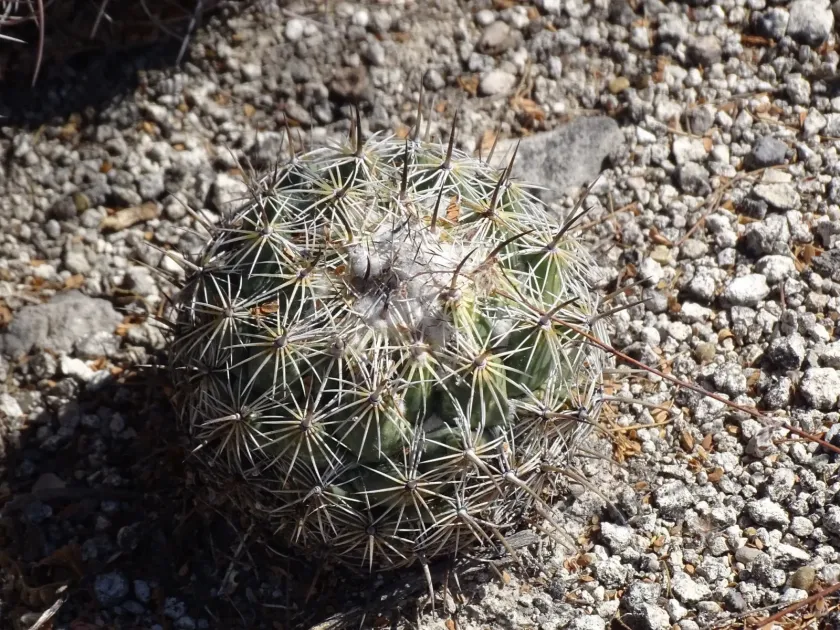
Botanically, the species is recognized by its solitary, globose to short-cylindrical stem, adorned with prominent tubercles. The spines are strong, providing protection and a unique aesthetic appearance common to the genus.
The plant requires high light intensity to maintain its compact growth form. In indoor cultivation, placing it in a location with direct sunlight is crucial, as shading leads to undesirable elongation of the stem.
A well-draining mineral-based substrate is essential for the health of Coryphantha pallida. The potting mix should consist of coarse sand, perlite, and a small portion of organic potting soil to prevent water retention.
Agrotechnical care includes watering only when the substrate is completely dry. During the dormant period in winter, the plant should be kept dry and in cooler temperatures to simulate natural conditions and promote future flowering.
Main diseases and pests
The most significant threat to Coryphantha pallida is root rot caused by poor drainage or excessive watering. Once the root system is compromised by fungal pathogens, the plant quickly loses vitality.
Mealybugs are the most common pests, often settling deep between the tubercles where they are difficult to reach. Their feeding habits cause yellowing and can invite secondary infections like sooty mold.
Spider mites are another common challenge, appearing as fine webs on the plant surface during periods of extreme dryness. These pests suck the cell sap, leaving unsightly brown patches on the epidermis.
To combat pests, specialized systemic pesticides are required. Regular application during the growing season can help prevent outbreaks and maintain the plant's structural integrity.
Proper ventilation and strict adherence to a dry winter rest period are the primary defenses against disease. Preventing moisture accumulation at the base of the plant is vital for long-term health.