
Coryphantha elephantidens
Coryphantha elephantidens
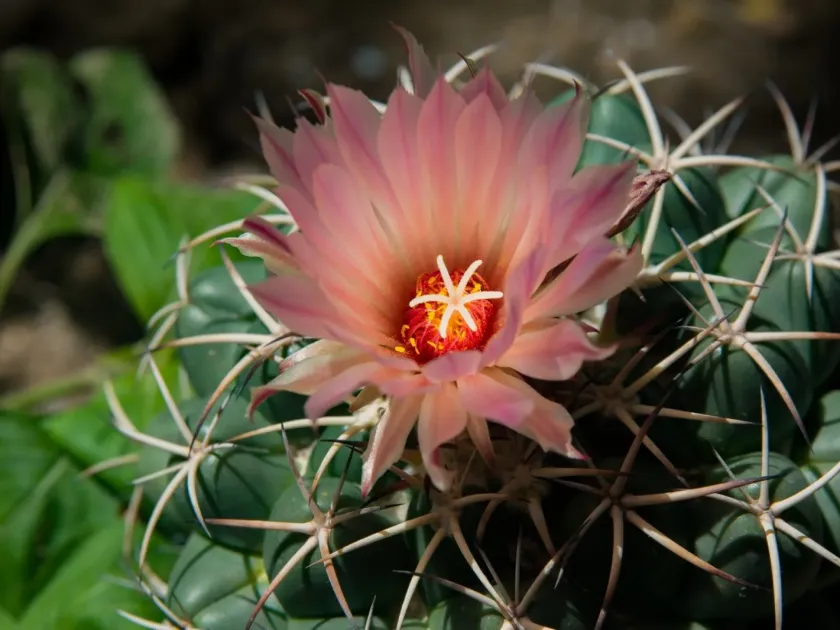
Description
Sowing dates
Sowing of this species is ideally conducted during the spring season when daylight hours increase, promoting healthy seedling development under controlled parameters.
The growing medium must be highly porous, containing a significant proportion of sand and grit to facilitate drainage and prevent the accumulation of moisture near the seed.
Seeds are sown on the surface and lightly dusted with substrate, followed by maintenance at temperatures between 22 and 25 degrees Celsius for consistent germination.
Creating a humid greenhouse environment until the emergence of the first seedlings is crucial for maintaining the necessary moisture for the developing embryos.
Gradual acclimatization to lower humidity is required after germination, with the first transplant occurring after at least one full year of establishment.
Growing requirements
Coryphantha elephantidens belongs to the Cactaceae family and is native to the arid regions of Mexico, where it grows in well-drained, rocky landscapes.
This species requires intense sunlight to maintain its compact, flattened shape; insufficient light causes the stem to stretch, leading to structural instability.
The soil should be a mix of loam, leaf mold, and mineral additives such as pumice or perlite to ensure rapid drainage and air circulation around the roots.
Active growth occurs at temperatures between 20 and 30 degrees Celsius, while a winter dormancy period at 10–12 degrees Celsius is necessary to trigger flowering.
Irrigation must be strictly managed; the substrate must be allowed to dry out completely between waterings to prevent the risk of root rot during the dormant season.
Main diseases and pests
The mealybug is a significant pest that typically settles in the woolly areoles, where it feeds on the plant sap, causing stunted growth and potential deformities.
Excessive moisture combined with poor drainage frequently leads to fungal root rot, which can destroy the root system if not addressed with immediate intervention.
Red spider mites may appear during periods of high heat and low airflow, causing discolored patches and webbing on the surface of the cactus epidermis.
Pest management involves the application of appropriate systemic insecticides, while fungal issues are treated using copper-based or systemic fungicides.
Preventative measures, such as maintaining good air circulation and following a strictly dry winter regimen, are the most effective ways to ensure plant health.