
Coryphantha pycnacantha
Coryphantha pycnacantha
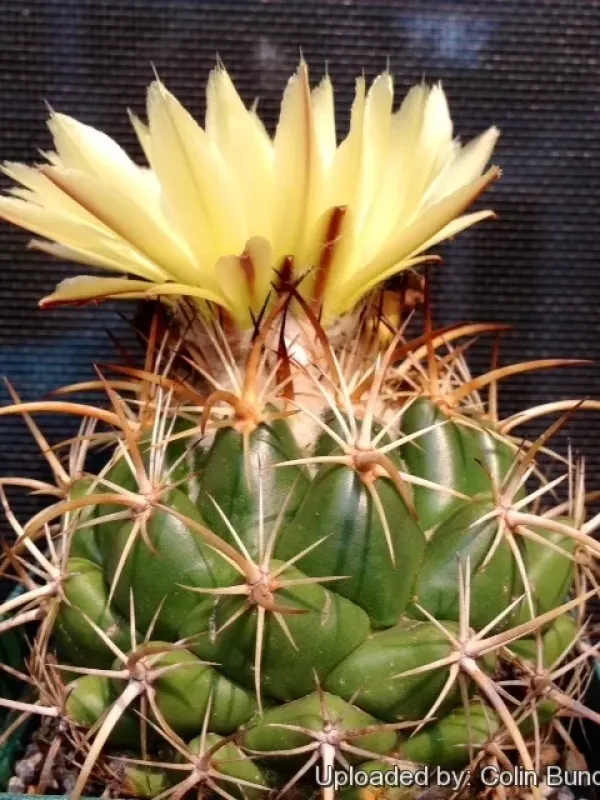
Description
Sowing dates
Sowing Coryphantha pycnacantha seeds is best performed during early spring. The seeds require stable temperatures between 22 and 25 degrees Celsius to trigger germination, alongside a consistently high humidity level maintained in a propagation tray.
The ideal substrate for germination is a fine-grained, mineral-based mix consisting of horticultural sand and perlite. It is essential to ensure that the medium is sterile to prevent the development of mold, which can quickly overwhelm delicate seedlings.
Once seedlings have sprouted, they should be kept in a bright, sheltered environment. Gradual acclimation to lower humidity levels is crucial; this encourages the development of a robust root system and helps the young plants build structural integrity.
Pricking out should be done only when the young cacti are large enough to handle without damage. Using small pots initially allows for better moisture regulation, minimizing the risk of the substrate becoming waterlogged during the sensitive growth phase.
Fresh seeds typically offer the highest germination rate. If success rates are low, checking the viability of the batch or ensuring the heating mat is maintaining a constant, uniform temperature is the primary troubleshooting step.
Growing requirements
Coryphantha pycnacantha thrives in full, direct sunlight, which is necessary to preserve its dense spination and compact, globe-like form. If kept in shade, the plant will etiolate, losing its characteristic aesthetic and becoming more prone to disease.
The potting medium must be highly porous and inorganic. A mixture of gravel, coarse sand, and a small portion of pumice creates the drainage necessary for this species, preventing the roots from suffocating in heavy, organic-rich soil.
Watering must be strictly seasonal. During the active growing period, the substrate should be allowed to dry out completely between waterings. Excessive moisture, especially when temperatures are lower, is a leading cause of root rot.
During the winter dormancy period, the plant should be kept dry and cool, ideally between 10 and 12 degrees Celsius. This rest period is essential to simulate the plant's natural desert environment and to encourage future flowering.
Proper airflow is as important as light. Cultivating this cactus in an area with good air circulation reduces the risk of fungal growth and mimics the windy conditions of its native habitat, strengthening the epidermis of the plant.
Main diseases and pests
Root rot is the most common and dangerous ailment affecting this species. It is almost always a result of poor drainage or overwatering during the dormant phase, leading to the rapid decay of the plant's vascular system.
Spider mites are the most persistent pest for this cactus. They are attracted to dry, stagnant air conditions and can cause permanent yellow scarring on the plant surface. Regular misting or the use of systemic miticides can help manage infestations.
Mealybugs are another common threat, hiding in the crevices between the tubercles. Their presence is often detected by a white, cottony substance. Manual removal using an alcohol-soaked brush is often effective for mild cases.
Preventive maintenance involves regular inspections of the plant's crown and base. Keeping the soil surface dry and using mineral top dressing, such as fine grit, helps prevent pests from reaching the vulnerable root collar.
If physical damage occurs, the affected tissue must be allowed to scab over. Applying a fungicide or charcoal powder to the wound prevents pathogens from colonizing the plant, which is vital for the long-term survival of the specimen.