
Cumulopuntia
Cumulopuntia
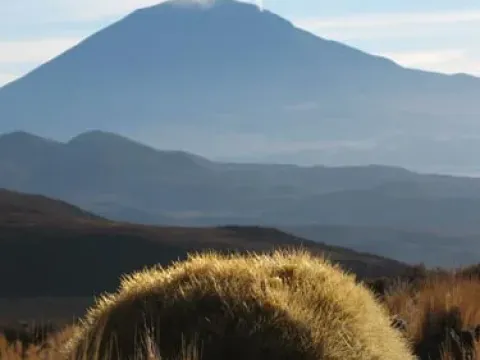
Cumulopuntia is a genus of succulent plants within the Cactaceae family, native to the high-altitude regions of the Andes, including parts of Peru, Bolivia, Chile, and Argentina. These plants are known for their cushion-like growth form, which allows them to survive in harsh mountain environments characterized by intense solar radiation and variable climates.
What the section contains


Cumulopuntia
To successfully cultivate Cumulopuntia, growers must replicate high-altitude conditions, emphasizing bright, direct sunlight and significant diurnal temperature fluctuations. Proper ventilation is essential, as these plants thrive in areas with constant fresh air circulation to avoid stagnant humidity around the stems.
The growing medium must be highly inorganic, prioritizing excellent drainage over nutrient content. A mix of coarse sand, volcanic rock, gravel, and perlite is ideal for preventing moisture from accumulating near the roots, which are prone to rot if kept in soggy or poorly draining soil.
During the active growing season, water should be applied only after the soil has dried out completely. Winter care requires a dry dormancy period in a cool environment, which is crucial for triggering future flowering and maintaining the plant's natural structural integrity.
Botanically, Cumulopuntia species are defined by their segmented stems and protective spines, which serve as a shield against both the sun and herbivores. Flowers are typically funnel-shaped and come in a variety of vibrant colors, adding significant ornamental value to cactus collections during the blooming season.
Root and stem rot are the primary threats to Cumulopuntia, usually caused by overwatering or insufficient airflow. Ensuring that the substrate remains porous and that water evaporates quickly from the base of the plant is the best preventive strategy.
Mealybugs are common pests that find refuge between the segments and within the dense spine structure, making them difficult to detect. Regular inspection and the application of systemic insecticides are necessary to maintain healthy specimens and prevent heavy infestations.
Spider mites can become problematic in low-humidity conditions, causing localized damage to the epidermis that leads to stunted growth. Maintaining a clean environment and ensuring adequate ventilation can significantly reduce the risk of mite colonization on the plant surface.
Root aphids or root mealybugs can silently damage the plant from beneath the soil line. It is recommended to treat new soil mixtures with preventative measures and carefully examine the roots during every repotting process to catch these pests early.
General stress factors, such as improper acclimation to high-light conditions or poor ventilation, can weaken the plant's natural defenses. Providing the correct environmental triggers ensures that the cactus remains resistant to common pathogens and thrives for years.