
Coryphantha robustispina
Coryphantha robustispina
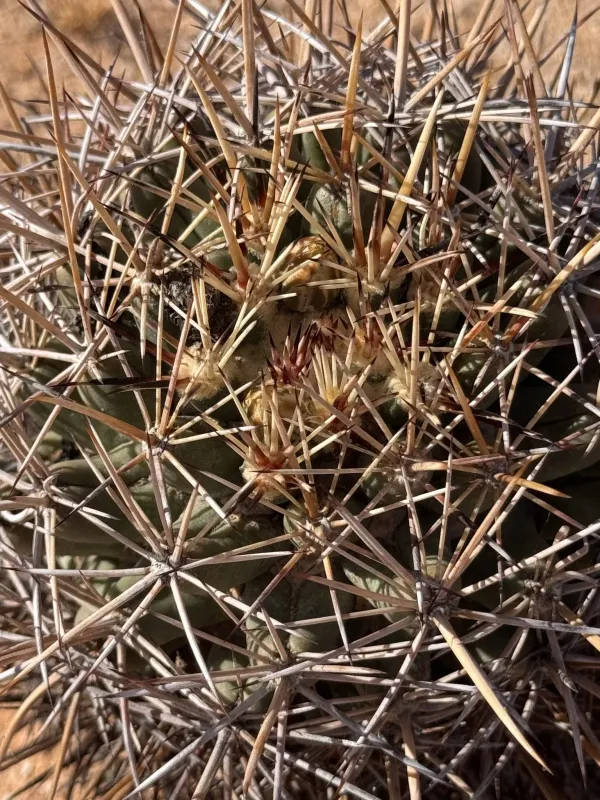
Description
Sowing dates
Sowing seeds of Coryphantha robustispina is best performed in early spring as daylight hours begin to increase. March and April provide the optimal photoperiod for consistent seedling growth.
The seeds should be sown in shallow containers with adequate drainage, using a well-aerated sandy substrate. Maintaining a steady temperature between 22 and 25 degrees Celsius is essential for successful germination.
Seedlings typically emerge within two to four weeks. During this period, it is vital to keep the surface slightly moist but not saturated, avoiding conditions that promote fungal growth.
Pricking out the seedlings into individual small pots should be done once they develop their first set of sturdy spines. Careful handling is required to protect the delicate root system from physical stress.
During the first year, seedlings require a protected environment with diffused sunlight. Transitioning them to more intense light conditions should be gradual to avoid tissue damage.
Growing requirements
Coryphantha robustispina is a member of the Cactaceae family, native to the arid environments of Mexico and the Southwestern United States. It thrives in well-draining, mineral-rich soils that mimic its natural habitat.
Sunlight is the most critical factor for this species. To maintain its characteristic robust spine structure, the plant requires high levels of direct solar radiation during the active growing season.
Watering practices must follow a strict cycle of saturation and complete drying. Overwatering is the most common mistake and often leads to irreparable damage to the root collar.
Winter dormancy is essential for the health of the plant. During this period, the cactus should be kept in a cool, dry place with minimal light and no water, allowing it to rest until spring.
The soil should be inorganic in nature, composed primarily of grit, gravel, and a small portion of pumice. Organic materials like peat should be kept to a bare minimum to prevent moisture retention.
Main diseases and pests
Root and stem rot are the primary threats, typically induced by poor drainage or excessive humidity. If the plant shows signs of softening, immediate action to dry the roots is necessary.
Spider mites are common pests that thrive in dry, stagnant air. Regular inspection of the crown and between the tubercles is recommended to detect early signs of infestation.
Mealybugs can often infiltrate the dense spine clusters of this species. Using a soft-bristled brush soaked in isopropyl alcohol is an effective way to remove them manually.
Root mealybugs pose a hidden threat, as they live underground and feed on the root system. Periodic checks during repotting can reveal their presence before major damage occurs.
Proper hygiene, such as using clean tools and sterilized pots, is the best preventative measure against pathogens. Avoid over-fertilization, as it creates soft tissue that attracts pests.