
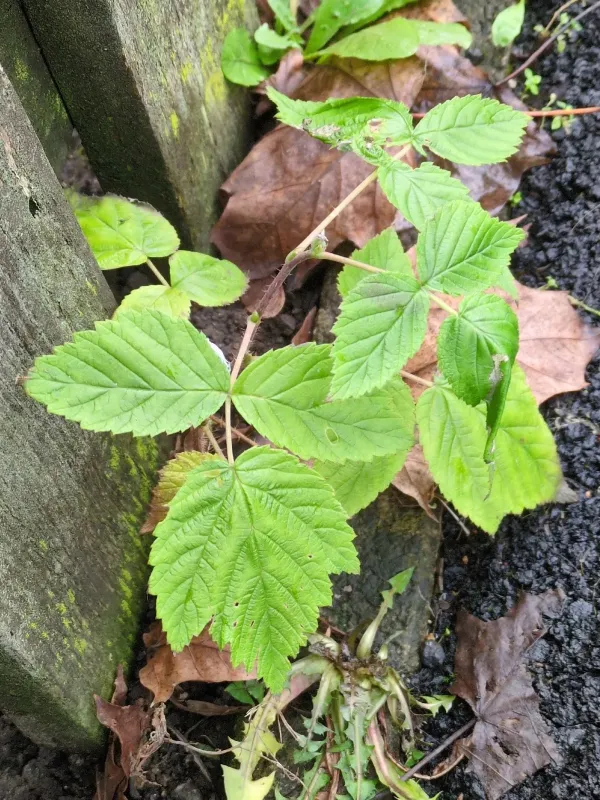
Description
Sowing dates
Raspberry (Rubus idaeus L.) is a perennial shrub belonging to the Rosaceae family, widely cultivated for its delicious edible fruit.
Propagation is primarily carried out through root cuttings or suckers, which are separated from the main plant during the dormant period.
The ideal planting time is early spring or late autumn, ensuring the plant establishes itself before the onset of extreme temperatures.
Each raspberry cane has a biennial lifecycle: vegetative growth occurs in the first year, followed by fruiting and senescence in the second.
Proper spacing during planting is crucial to ensure good air circulation, which helps reduce the risk of humidity-related fungal infections.
Growing requirements
Raspberries thrive in sunny locations with well-drained, fertile soil rich in organic matter and slightly acidic pH levels.
The site should be protected from harsh winds, which can damage canes and reduce the quality of the developing fruit.
Consistent moisture is essential throughout the growing season, particularly during the flowering and fruit development stages.
Soil structure should be loose and friable to allow root penetration and prevent water stagnation, which can lead to root rot.
Regular mulching is highly recommended to suppress weed growth, conserve soil moisture, and provide a steady supply of nutrients.
Yield
The yield of raspberries is influenced by variety, cane density, and the implementation of proper pruning and trellis systems.
Under optimal conditions, well-managed plantations can produce substantial harvests of high-quality, flavorful fruit suitable for fresh markets.
Raspberries are highly versatile in the food industry, widely used for preserves, frozen products, juices, and culinary decorations.
Nutritionally, they are esteemed for their high antioxidant content, dietary fiber, and essential vitamins like Vitamin C and manganese.
Sustainability of the raspberry crop depends on replacing old canes and rotating patches to maintain soil health and vigor.
Main diseases and pests
Raspberries are susceptible to various diseases, including anthracnose, verticillium wilt, phytophthora root rot, and tobacco mosaic virus.
Pest management is a critical aspect of raspberry production, focusing on controlling aphids, gall midges, leaf miners, and sawflies.
Sanitation is the first line of defense; removing infected canes and debris helps minimize the spread of pathogens throughout the patch.
Integrated Pest Management (IPM) strategies, including biological control and judicious chemical use, are preferred for modern production.
Monitoring for signs of pest damage should be continuous throughout the growing season to prevent outbreaks from affecting the harvest.
Harvesting
Harvesting raspberries is labor-intensive, requiring multiple passes through the plantation to collect fruit at peak ripeness.
Delicate fruit must be handled with extreme care to prevent bruising, which can significantly reduce the shelf life of the berries.
Cooling the harvested fruit immediately after picking is essential to maintain freshness and slow down the degradation process.
Packaging should ensure adequate airflow to prevent moisture buildup and the subsequent development of mold on the soft fruit.
Strategic scheduling of the harvest is vital to meet market demands while ensuring the fruit reaches the consumer in optimal condition.
In brief
60
Crop diseases
8
Crop pests
Content graph
Crop diseases · 60
Alternaria leaf spotAnthracnoseArabis mosaicArmillaria root rotBark necrosisBlackberry calicoBlackberry rustBlack raspberry streakBlue moldCercospora leaf spotCladosporiosisCrown gallCucumber mosaicDidymellaFire blightFusarium wiltGray moldHairy root diseaseLate blightMycosphaerella leaf spotMycosphaerella spotNeedle nematodeOrange rust of raspberryPhoma leaf spotPhyllosticta leaf spotPlant RustPowdery mildewPurple blotch of raspberryPythium root rotRaspberry ascospora diebackRaspberry bushy dwarf virusRaspberry cylindrosporiosisRaspberry dryberry diseaseRaspberry GnomoniaRaspberry latent virusRaspberry leaf curlRaspberry mosaicRaspberry mosaicRaspberry mosaic and ringspotRaspberry ringspotRaspberry rustRaspberry stamen blightRaspberry stuntRaspberry vein chlorosisRaspberry yellowRaspberry yellow mosaicRhizoctonia root rotRoot-knot nematodeSeptoriaSeptoria leaf spot of raspberrySilver leafSorghum and maize downy mildewSydowiella cane blightTobacco mosaic virusTomato mosaic virusVerticillium wiltWhite leaf spot of strawberryWhite root rotXiphinemaYellow rust
Content graph
Crop pests · 8
Content graph
Connections · Raspberry
Most often together:
Marketplace