
American red raspberry
Rubus idaeus L. subsp. strigosus (Michx.) Focke
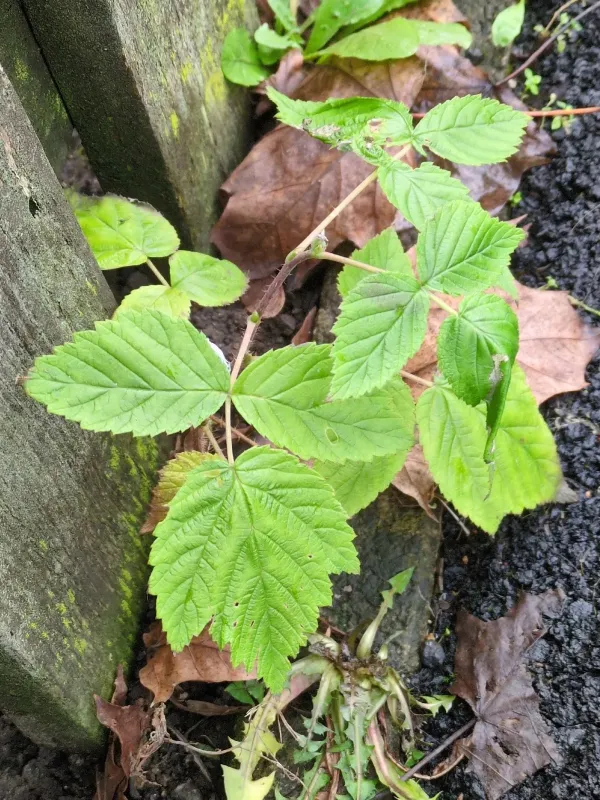
Description
Growing requirements
American red raspberry (Rubus idaeus L. subsp. strigosus) is a perennial shrub belonging to the Rosaceae family. It is distinguished by its biennial canes that emerge from a persistent, long-lived woody rootstock.
The plant thrives in well-drained, sandy loam soils rich in organic matter. Proper drainage is critical, as the roots are highly susceptible to root rot if they remain waterlogged for extended periods.
Climatic requirements involve moderate temperatures and sufficient rainfall during the growing season. While the species is hardy, extreme winter cold or late spring frosts can jeopardize the flower buds and young shoots.
Full sun exposure is preferred for maximum sugar accumulation in the fruits and better overall plant vigor. Shady areas often result in leggy growth and increased vulnerability to fungal diseases due to poor airflow.
Soil pH should ideally range between 5.5 and 6.5. Regular soil testing and proper fertilization with nitrogen, phosphorus, and potassium are essential for sustaining long-term productivity in commercial patches.
Yield
Yield potential of the American red raspberry is influenced by cane density, cultivar genetics, and site management. Well-managed plantations can achieve significant commercial output per hectare.
Productivity is maximized through the use of support structures like trellises, which keep the canes upright. This ensures uniform sunlight distribution and makes the fruit more accessible during the harvest.
The peak years of production typically occur between the third and sixth years after establishment. Pruning out old, fruited canes annually is mandatory to maintain plant health and encourage new, vigorous growth.
Water management via drip irrigation systems has proven to be the most efficient method for increasing fruit size and overall harvest volumes. Consistent moisture prevents fruit shriveling during peak ripening.
Environmental stressors such as drought or excessive heat can cause the plant to reduce its fruit load. Protective measures, including mulching, help regulate soil temperature and conserve precious water.
Main diseases and pests
Diseases like cane blight, spur blight, and various leaf spots are common issues. These pathogens thrive in humid environments and require diligent sanitation, such as removing infected canes promptly.
Root rot, specifically caused by Phytophthora, remains a devastating problem in poorly drained fields. Choosing resistant cultivars is the primary strategy for managing this soil-borne pathogen.
Insect pests including the raspberry fruitworm and various aphids can reduce both fruit quality and plant vitality. Integrated Pest Management (IPM) is recommended to minimize chemical reliance.
Spider mites often become a problem in hot, dry summers. These pests feed on the undersides of leaves, causing them to yellow and drop prematurely, which significantly weakens the plant.
- Regular pruning of dead wood.
- Eliminating wild brambles nearby.
- Using certified disease-free stock.
- Maintaining optimal row spacing.
Harvesting
Harvesting is a delicate operation due to the fragile nature of the berries. Berries should be picked when they reach full color and release easily from the receptacle, indicating peak ripeness.
For fresh market sales, hand-picking directly into retail clamshells is the standard. This practice prevents the need for re-packing, which reduces bruising and maintains the aesthetic quality of the fruit.
Post-harvest cooling is non-negotiable for raspberries. Because they have a high respiration rate, immediate refrigeration helps extend shelf life and ensures the berries remain firm for transport.
Mechanical harvesting is increasingly used for fruit destined for processing or the frozen food industry. This method requires specialized cultivars that allow for clean separation of the berry from the core.
The harvest duration lasts several weeks depending on the varieties planted. Frequent picking, every 1–2 days, is necessary to prevent overripe fruit from attracting pests or developing mold.