
Description
Symptoms
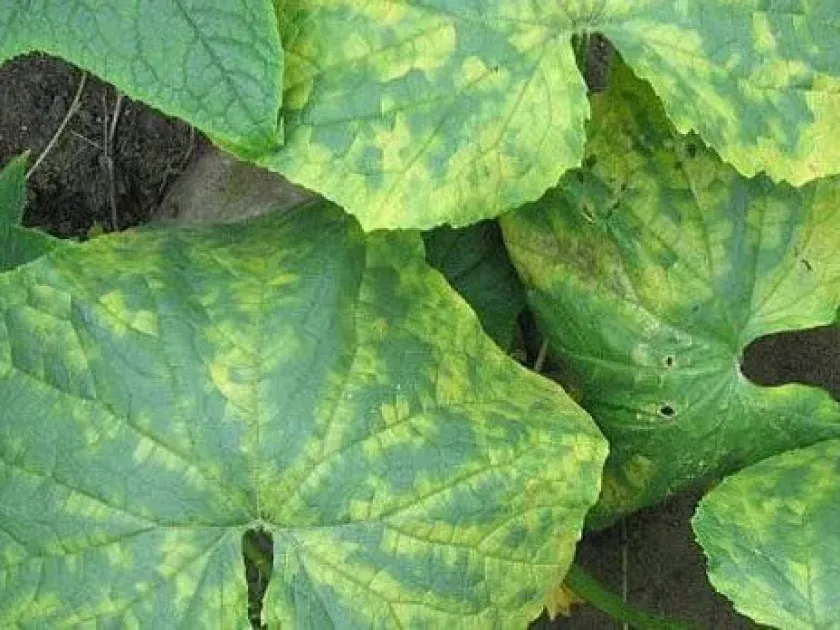
The hallmark symptoms of Cucumber mosaic are mosaic patterns on the leaves, characterized by alternating yellow and dark green patches. Leaf distortion, curling, and stunted growth are common indicators.
In cucumbers, the fruits often become mottled, warty, and deformed. Affected plants show shortened internodes and a bushier, stunted appearance compared to healthy specimens.
On raspberry plants, the virus manifests as ring spots, vein banding, or yellow mosaic patterns. This often leads to reduced fruit size and lower yield over successive seasons.
Severe infections can result in the necrosis of growing tips and premature leaf drop. The plant's overall vitality decreases, making it less capable of sustained production.
Diagnostic confusion with nutrient deficiencies is frequent, but the irregular mosaic pattern and structural leaf deformation are key clues that point towards a viral infection rather than a deficiency.
Pathogen
Cucumber mosaic is a destructive viral disease caused by the Cucumber mosaic virus (CMV). It is known as one of the most significant plant viruses due to its extraordinarily wide host range, infecting over 1,200 species.
The virus belongs to the Bromoviridae family and acts as a systemic pathogen. It replicates within the host's cells, moving through the vascular system and affecting the plant's overall physiology and development.
Transmission occurs primarily through aphid vectors in a non-persistent manner. The virus can also spread mechanically during pruning, harvesting, or other standard cultural practices if tools are contaminated.
CMV survives between growing seasons in the seeds of certain weed hosts and in the rhizomes of perennial plants. This persistence makes the virus extremely difficult to eradicate from farming environments.
Beyond vegetables, CMV also infects various fruit crops, including Rubus species like raspberry. In these perennials, the virus can persist for years, causing chronic decline and reduced vigor.
Conditions for development
The prevalence of the disease is highly correlated with the activity and population density of aphid vectors. Warm, dry weather conditions tend to accelerate aphid migration and virus transmission rates.
Temperature fluctuations play a significant role in the expression of viral symptoms. Extreme stress can weaken the plant's immune response, allowing the virus to propagate more effectively within plant tissues.
In greenhouse settings, the virus spreads rapidly due to close plant spacing and an ideal microclimate for insects. Failure to manage internal insect populations almost always leads to a widespread outbreak.
Surrounding vegetation serves as a continuous reservoir. Perennial weeds such as bindweed or sow thistle located near crops act as primary sources of the virus for new seasons.
Agricultural practices that involve wounding the plant—such as aggressive pruning or weeding—create entry points for mechanical virus transfer if the virus is present on tools or human hands.
Why it matters
The harm caused by Cucumber mosaic is significant, often resulting in severe yield losses. In commercial cucumber production, losses can range from minor quality issues to total crop failure.
Physiological disruption caused by the virus forces the plant to divert energy away from fruit development. This depletion reduces the quantity and quality of harvestable goods.
Fruit quality is drastically reduced, as mottled or deformed produce is rejected by markets and consumers. In the case of cucumbers, the altered chemical profile can lead to bitter fruits.
Perennial crops suffer from long-term decline. Infected raspberry bushes exhibit a steady reduction in cane growth and berry production, eventually necessitating the removal of the entire planting.
The economic impact includes both the direct loss of current harvest and the long-term cost of replacing diseased plants and managing subsequent virus reservoirs.
Protection
Since there is no cure for viral infections in plants, control must focus on integrated pest management (IPM) and strict sanitary measures to prevent initial infection.
The primary control strategy is the aggressive management of aphid populations using registered insecticides or protective netting. Monitoring is key to detecting vectors before they spread the virus.
Sanitation is paramount. This involves the removal and destruction of infected plants and the thorough cleaning of all gardening tools with disinfectant solutions after use.
Eliminating weed hosts in and around the production area is essential. Maintaining a buffer zone free of potential virus-carrying weeds significantly lowers infection pressure.
Whenever possible, growers should select resistant or tolerant varieties of crops. Using certified, virus-free seeds and planting material is the foundation of successful viral disease prevention.
Pathogens and affected parts
Affects crops · 1
Discussion
No discussions yet — be the first.