
Loganberry
Rubus loganobaccus L. H. Bailey
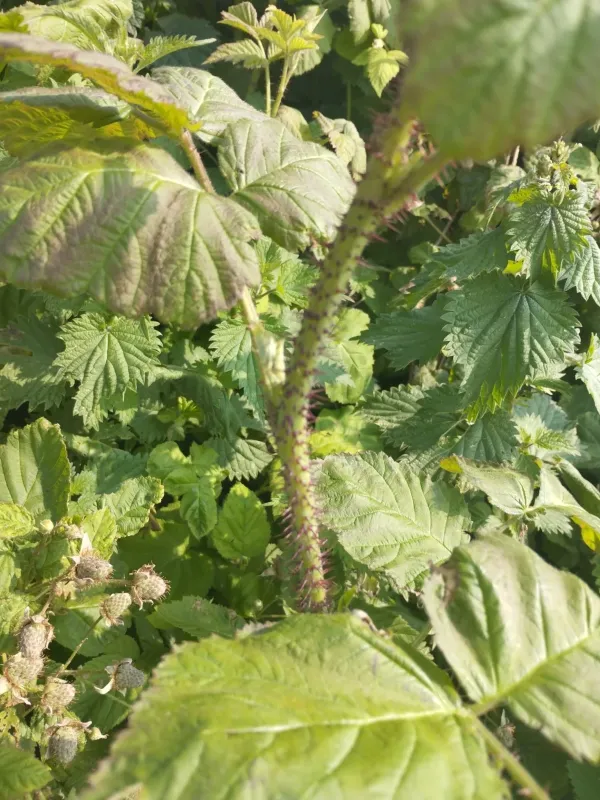
Description
Sowing dates
Planting of loganberry (Rubus loganobaccus) is best performed in early spring before active sap flow, or in autumn at least a month before the first hard frost. Using one-year-old container-grown plants with well-developed root systems ensures the best establishment rate for the crop.
Because the loganberry is a trailing plant, it requires a sturdy trellis system for support and management. Space the plants at least 1.5 meters apart within the row, with rows separated by 2 to 3 meters to allow sufficient airflow and room for machinery or personal access.
Prepare the planting site by incorporating well-rotted manure or compost at a rate of 10-15 kilograms per square meter. This enrichment provides the essential nutrients required for the initial vegetative growth phase and encourages rapid root development.
After planting, water the canes thoroughly and apply a layer of organic mulch such as straw or wood chips. This layer maintains soil moisture levels and suppresses weed growth, which is critical for young plants that struggle to compete with aggressive grasses.
Take care not to bury the root crown too deeply during installation, as this can lead to crown rot and poor bud development. The crown should sit level with or just slightly below the surface of the surrounding soil.
Growing requirements
The loganberry is a spontaneous hybrid of the raspberry and the blackberry (family Rosaceae), native to California. It thrives in locations with full sun but can tolerate partial shade, which may slightly delay the ripening process of the fruit compared to full-sun sites.
This crop prefers fertile, well-drained loamy soils. It is highly intolerant of waterlogged conditions, so in heavier clay soils, it is essential to build raised beds or install drainage tiles to prevent the roots from suffocating and rotting.
The ideal soil pH for loganberries ranges from 5.5 to 6.5. Regular soil testing helps maintain these levels, as excessive acidity or alkalinity can inhibit nutrient uptake and lead to nutrient deficiencies that manifest as yellowing leaves or stunted growth.
Climatically, loganberries benefit from moderate winters but require protection in colder zones. Growers often untie the canes, lay them on the ground, and cover them with protective fabric or mulch during the winter to safeguard the buds from extreme cold.
Consistent moisture is key during the flowering and fruit-fill stages. Drip irrigation systems are the most efficient way to deliver water directly to the root zone, preventing moisture loss and minimizing foliage dampness that could trigger fungal growth.
Yield
Yield potential depends heavily on soil fertility, moisture management, and proper trellis training. A healthy, mature loganberry plant can produce between 3 and 5 kilograms of elongated, tart, and highly aromatic berries per season.
To maximize yields, maintain a strict pruning and training regimen by selecting 6 to 8 strong, healthy canes to tie onto the trellis wires each spring. Removing weak or crowded canes allows the plant to focus its energy on fruit production.
The plants typically reach full production by their third or fourth year. Consistent annual fertilization with high-potassium and high-phosphorus blends after the harvest season promotes bud formation for the following year and strengthens the canes for winter.
The berries are valued for their intense flavor and high antioxidant content. Their firmer texture compared to traditional raspberries makes them suitable for local market sales and processing into high-quality jams, jellies, and desserts.
Monitoring the plant's vigor is essential; excessive nitrogen can lead to too much vegetative growth at the expense of fruit production. Balancing the nutrient intake ensures that the energy of the plant is directed toward producing high-quality berries.
Main diseases and pests
Fungal diseases such as anthracnose and gray mold (Botrytis) are the most significant threats, especially in humid climates or where airflow is restricted. Preventive measures include regular thinning of canes to ensure air circulation and prompt removal of diseased material.
Pests like the raspberry beetle and various weevils can damage blossoms and fruit. Integrated pest management, including the use of targeted insecticides before bloom and the introduction of beneficial insects, can help keep populations below the economic threshold.
Viral infections like mosaic virus are permanent and necessitate the removal of infected plants. The best protection is starting with certified, disease-free nursery stock and controlling aphids, which act as the primary vectors for these viruses.
Autumn hygiene is critical: all dead canes and fallen leaves should be raked and burned or removed from the site to prevent the overwintering of fungal spores. Early spring applications of fungicides or biological controls can also reduce the initial pathogen load.
Regular monitoring and scouting are the foundations of successful pest and disease control. By detecting early signs of infection or infestation, growers can implement localized treatments, preventing the spread of issues throughout the entire berry patch.
Harvesting
The harvest season for loganberries typically occurs in mid-summer, spanning 3 to 4 weeks. Because the fruit ripens unevenly, picking should be done selectively, harvesting only those berries that have achieved a deep red or purplish hue.
Handle the fruit gently when picking to avoid bruising. Harvesting in the cool, early morning hours ensures that the fruit stays firm longer, increasing its shelf life and marketability after picking.
Store harvested berries in a refrigerator immediately to preserve their quality and firmness. Using shallow, vented containers prevents the berries at the bottom from being crushed under the weight of those above them during transport.
Loganberries are excellent for both fresh consumption and preservation. They can be frozen whole for later use in baking or turned into syrups and preserves that maintain the distinct, complex flavor profile characteristic of the fruit.
After the final harvest, perform a thorough cleanup of the remaining fruits on the canes. Clearing the field of all old or damaged berries reduces the attraction for pests and prevents the development of mold on the patch going into autumn.