
Cloudberry
Rubus chamaemorus L.
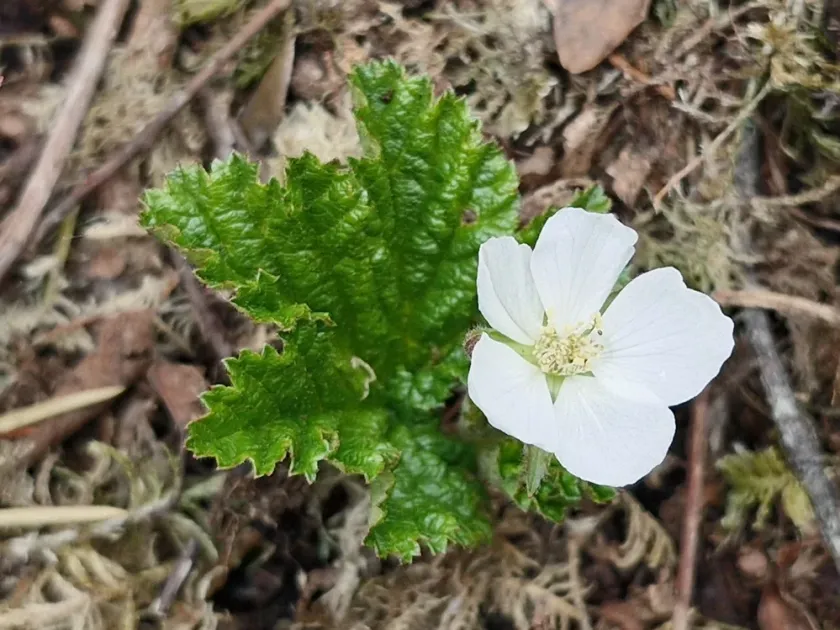
Description
Growing requirements
Cloudberry (Rubus chamaemorus L.) is a herbaceous perennial plant belonging to the Rosaceae family. It is native to cool, temperate, and arctic regions, typically found in marshes, peat bogs, and wet meadows, growing to a height of 10–25 cm.
Cultivation requires highly acidic, moisture-retentive soils with a pH between 3.5 and 5.0. Peat bogs are the ideal environment, as the plant relies on consistent moisture levels while requiring adequate drainage to prevent root rot.
The plant lives in symbiosis with specific mycorrhizal fungi, which help it extract nutrients from the poor, acidic soil. Consequently, traditional synthetic fertilizers are often ineffective and can even inhibit plant growth or kill the beneficial fungi.
Climatic requirements are strict: cloudberries thrive in cool summer conditions with temperatures between +10°C and +18°C. Excessive heat, especially during the flowering stage, can lead to complete failure in fruit set.
Cloudberries are light-demanding plants. While they tolerate some shade in wild habitats, commercial production requires open, sunny locations to ensure proper development and optimal sugar accumulation in the berries.
Main diseases and pests
The main disease threat for cloudberry plantations is gray mold (Botrytis cinerea), which thrives in high humidity and poor ventilation. Proper spacing and airflow are critical to minimize infection risks.
Pests such as the raspberry beetle can cause significant damage to flowers and developing fruit. Additionally, various species of aphids may infest leaves, weakening the plant and potentially transmitting viruses.
Control strategies should focus on integrated pest management (IPM). Chemical interventions must be minimized to protect local pollinators, which are essential for cloudberry production, as the plant is primarily entomophilous.
Preventive maintenance involves keeping the field free of invasive weeds and ensuring the soil remains moist but not waterlogged. Removing diseased plant matter quickly prevents the spread of pathogens.
Biological controls, such as beneficial insects or microbial agents, are preferred over broad-spectrum pesticides. Maintaining the ecological balance within the bog environment helps support natural resistance.
Harvesting
Harvesting cloudberries is a delicate, labor-intensive process. Berries are hand-picked at full maturity when they turn a deep amber-yellow color and become soft and juicy to the touch.
Post-harvest handling is critical because the fruit is extremely perishable. Berries should be kept in shallow, ventilated containers and moved to a cold storage facility or processing plant as soon as possible after picking.
Freezing is the most efficient method for preserving the berries' nutritional profile, including their high vitamin C content. Fresh berries have a very short shelf life and are prone to fermentation if left at ambient temperatures.
Yields can fluctuate significantly based on spring weather conditions. Late frosts during the flowering period can destroy the crop entirely, making year-to-year productivity somewhat unpredictable in open-field settings.
Cloudberries are highly valued for their unique taste and medicinal properties. Beyond fresh consumption, they are extensively used in the production of jams, syrups, and luxury cosmetics, providing high economic value per hectare.