
Septoria leaf spot of raspberry
Mycosphaerella rubi
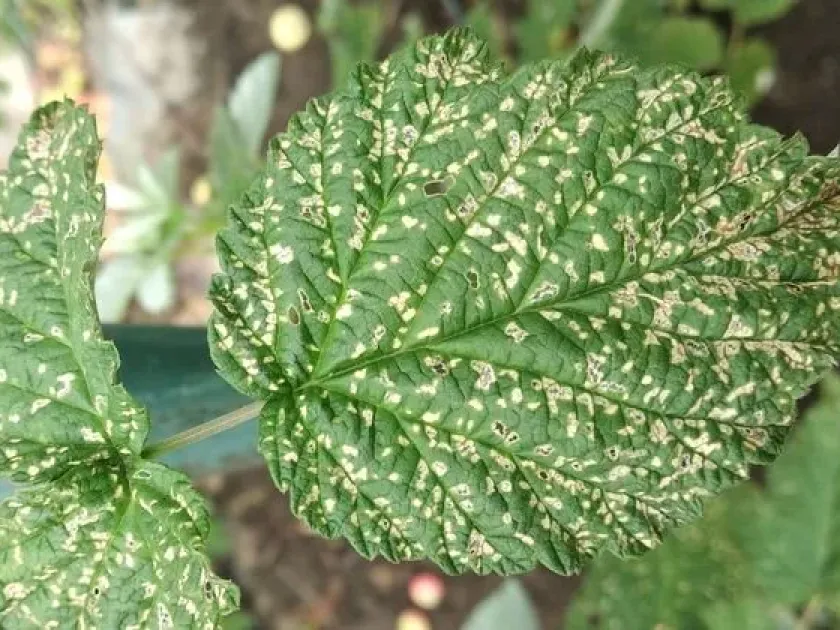
Description
Symptoms
The primary symptom is the appearance of small, circular spots on leaves, typically 2–3 mm in diameter. Initially brown or reddish-brown, the center of the spot eventually turns white or ash-gray.
A distinctive narrow, dark brown border surrounds the light-colored center of each spot. This feature is a crucial diagnostic indicator that helps distinguish Septoria from other leaf spot diseases.
Small black dots, known as pycnidia, form in the center of the spots on both leaf surfaces. These pycnidia contain masses of spores that are released during humid weather to cause secondary infections.
Canes may also show similar spots that can coalesce, causing the bark to crack. This damage weakens the canes, making them highly susceptible to winter injury and desiccation.
Severe infection leads to premature leaf drop, beginning at the base of the plant. This loss of photosynthetic capacity significantly weakens the plant and reduces the production of fruit buds for the following year.
Pathogen
The disease is caused by the fungus Mycosphaerella rubi (anamorphic stage: Septoria rubi). This pathogenic fungus belongs to the Ascomycetes class and primarily targets plants within the Rosaceae family.
The fungus propagates through conidia, which are spread by rain splashes and overhead irrigation. It overwinters as perithecia on infected plant debris, fallen leaves, and diseased canes left in the field.
The pathogen affects several crops, with red raspberry (Rubus idaeus) and blackberries being the most susceptible. It has also been documented on other Rosaceae species, including pistachio (Pistacia vera), under specific environmental conditions.
Mycelium invades host tissue through stomata or mechanical wounds. Once established, the fungus secretes enzymes that break down cell walls, leading to necrotic spots and physiological stress for the plant.
Disease development is cyclical, with primary infections usually occurring in spring once temperatures exceed 10–12 degrees Celsius and humidity levels rise, creating optimal conditions for spore germination.
Conditions for development
High humidity and frequent rainfall are the primary drivers of disease spread. The pathogen is most active during the second half of the summer, particularly in wet seasons.
Dense plantings with poor air circulation create a microclimate that keeps foliage wet for longer periods, facilitating spore germination and penetration into the leaves.
Temperatures ranging from 18 to 25 degrees Celsius are ideal for rapid disease progression. In this range, the pathogen can complete its infection cycle quickly, leading to rapid symptom expansion.
Excessive nitrogen fertilization promotes lush, succulent growth, which is more vulnerable to fungal attack and lacks the mechanical strength to resist penetration.
Poor sanitation, such as failing to remove and destroy infected canes or leaf litter, ensures the fungus remains in the soil to initiate new infections the following year.
Why it matters
The economic impact of Septoria leaf spot is primarily seen in reduced crop yields. Defoliation limits the plant's ability to produce energy, resulting in smaller, lower-quality berries.
Canal damage significantly reduces winter hardiness. Infected canes are more likely to die back during cold months, leading to a direct loss of future fruiting potential.
Overall plant vigor decreases, making the raspberry patch more prone to secondary pests and opportunistic infections, which further lowers the lifespan of the plantation.
For commercial growers, managing Septoria requires intensive fungicide spray programs, which increases operational costs and lowers the overall profitability of the berry enterprise.
Neglected patches may become unproductive within a few seasons, necessitating costly renovation or complete replanting of the field to restore economic viability.
Protection
Cultural management is the first line of defense: prune out infected canes, remove and burn debris after harvest, and maintain proper plant spacing to ensure airflow.
Avoid overhead irrigation to keep foliage dry. Drip irrigation is recommended to provide water directly to the root zone without creating a humid environment on the leaves.
Balanced fertilization, particularly with potassium and phosphorus, helps strengthen plant tissue and improves the overall natural defense mechanisms against fungal penetration.
In cases of high disease pressure, targeted fungicide applications are necessary. Programs should focus on protecting new growth before and after bloom, following local regulations.
- Use only certified, disease-free nursery stock.
- Maintain wide rows to promote rapid drying of foliage.
- Apply mulch to cover soil and prevent splash-dispersal of fungal spores.
- Utilize copper-based protectants or systemic fungicides during high-risk periods.
Pathogens and affected parts
Affects crops · 2
Discussion
No discussions yet — be the first.