
Black raspberry
Rubus occidentalis L.
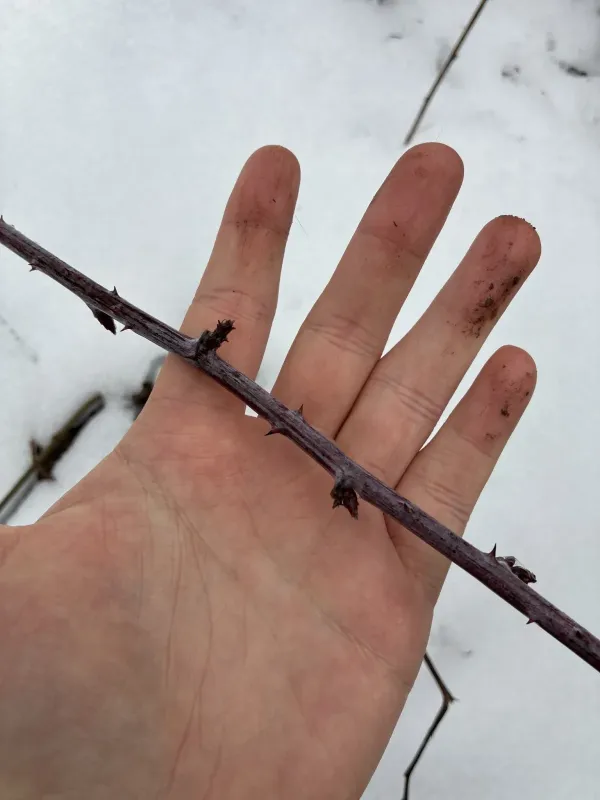
Description
Sowing dates
Black raspberry, botanically known as Rubus occidentalis, is primarily propagated through tip layering. In late summer, the tips of the canes arch toward the ground and form roots, creating new plantlets that can be separated and replanted.
The optimal planting time for new canes is early spring before active growth begins or in the autumn, provided the soil remains workable. Ensuring the root system establishes before extreme temperatures occur is essential for long-term viability.
Proper plant spacing is vital due to the vigorous growth habit of this species. Farmers typically recommend a spacing of 1.5 to 2 meters between rows and roughly 1 meter between individual plants within a row to ensure adequate airflow.
Seed propagation is restricted to professional breeding programs. Seeds require a specific period of cold stratification to break dormancy, making this method impractical for commercial fruit production compared to vegetative cloning.
Before planting, the soil should be amended with well-rotted organic matter. Deep plowing and the removal of all perennial weeds are critical steps that should be completed a full season prior to installation.
Growing requirements
Belonging to the Rosaceae family, black raspberry is native to eastern North America. It thrives in temperate climates and is highly regarded for its nutritional density and unique flavor profile compared to its red counterparts.
The crop requires well-drained, fertile loamy soil. It is particularly sensitive to waterlogged conditions, which can quickly lead to root rot and other soil-borne diseases. A slightly acidic to neutral soil pH is ideal for nutrient uptake.
Sunlight exposure is crucial for both plant development and sugar accumulation in the berries. While they can tolerate partial shade, full sun maximizes yields and helps prevent humidity-related fungal issues within the canopy.
A robust trellis system is a standard requirement in commercial orchards. Because the canes can reach significant lengths, supporting them ensures that berries remain off the ground, reducing fruit spoilage and facilitating easier harvesting.
Regular irrigation is necessary, particularly during the fruit-set and berry-enlargement phases. Automated drip irrigation systems are highly recommended to deliver precise moisture levels while keeping the foliage dry.
Yield
Under optimal management practices, a mature black raspberry planting can yield significantly. Producers can expect 2 to 5 kilograms per plant annually once the orchard reaches full maturity, typically by the fourth year.
The fruit is a small, firm aggregate drupelet with a deep black hue. Its density makes it superior for fresh-market shipping compared to the more fragile red raspberry, as it is less prone to bruising during transit.
These berries are highly versatile in the food industry. They are widely used in the production of preserves, jams, juices, and health-focused snack products due to their exceptionally high antioxidant content, specifically anthocyanins.
To maximize annual yield, growers employ a two-step pruning method: summer tipping of primocanes to encourage lateral branching, followed by spring dormant pruning to remove dead wood and shorten side branches.
A well-managed orchard can remain productive for 10 to 12 years. As the plants age, productivity naturally declines, necessitating a systematic renovation plan for replacing old stock with disease-free nursery plants.
Main diseases and pests
The most common and devastating diseases for Rubus occidentalis are anthracnose and verticillium wilt. Anthracnose causes spotted lesions on canes, while verticillium wilt affects the vascular system, often leading to rapid plant death.
Insect pests, including the raspberry crown borer and various cane borers, pose significant risks by damaging the internal structure of the canes. Integrated pest management (IPM) is essential to monitor populations and intervene timely.
Sanitation is the cornerstone of disease prevention. Removing and burning infested canes immediately after harvest significantly reduces the inoculum potential for the subsequent growing season.
Chemical intervention should be treated as a last resort. Growers must strictly adhere to pre-harvest interval (PHI) guidelines for all pesticides to ensure that the final product remains safe for consumer consumption.
- Systematic monitoring for symptoms.
- Removal of infected canes.
- Weed suppression to improve aeration.
Harvesting
Harvesting black raspberries is a labor-intensive but rewarding process. Because the berries ripen relatively uniformly, the window for picking is more concentrated than with other caneberries, requiring frequent daily monitoring.
The berries should be picked when they reach a dull black color, which indicates peak maturity. It is best to harvest during the cool morning hours once the dew has evaporated, as this prevents rapid spoilage.
Unlike red raspberries, black raspberries detach cleanly from the receptacle. This makes them easier to harvest, although the canes are notoriously prickly, requiring pickers to wear durable gloves for protection.
Post-harvest handling is critical for maintaining quality. Berries should be kept in a cool, ventilated environment immediately after picking. Reducing the field heat quickly is the most effective way to extend shelf life.
Proper container sizing is important during transport. Using shallow, perforated crates prevents the weight of the berries from crushing those at the bottom, ensuring that the fruit reaches the market in prime condition.