

Description
Symptoms
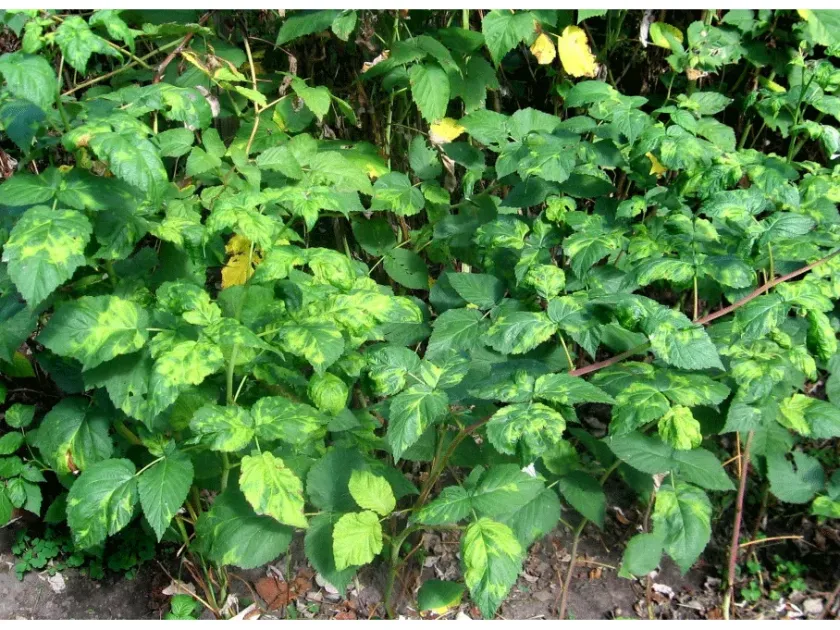
The primary symptom of this infection is the stunted growth of the plant, resulting in a bushy and uncharacteristic habit of the canes.
Leaves on infected plants may show signs of chlorosis, yellowing along the veins, or a mottled pattern that disrupts normal photosynthesis.
During the flowering stage, the number of fruiting laterals is significantly reduced, often leading to sparse blossoms and uneven fruit development.
Berries from diseased plants are frequently crumbly, deformed, and small, lacking the firmness required for commercial marketing.
The overall plant vigor declines over several seasons, leading to premature death of the root system and the eventual collapse of the plant.
Pathogen
The disease is caused by the Raspberry bushy dwarf virus (RBDV), which is the type species of the genus Idaeovirus.
The virus is primarily transmitted through the pollen of infected plants, facilitating widespread infection during the blooming season.
Vegetative propagation from infected mother plants is a major cause of the virus spreading into new orchard blocks and nurseries.
Mechanical transmission can occur through contaminated pruning tools, which can transfer sap from infected to healthy canes.
RBDV is known for its ability to systemically colonize the host plant, remaining present in all tissues throughout the year.
Conditions for development
The rapid spread of the virus within a plantation is largely driven by pollinating insects that transport infected pollen between blossoms.
Planting susceptible varieties close to infected wild or abandoned raspberry patches significantly increases the probability of primary infection.
In high-density plantings, the frequent contact between canes facilitates the spread of the virus through physical abrasion and wounds.
Lack of strict certification standards in some nurseries allows the virus to be introduced into clean environments unnoticed.
Environmental conditions that favor high insect activity during the peak flowering window generally correlate with higher transmission rates.
Why it matters
RBDV causes substantial financial losses by drastically reducing both the yield and the marketability of the raspberry harvest.
The condition known as crumbly fruit makes berries unusable for fresh market sales and significantly reduces the processing quality.
Infected plants are often weakened and show reduced tolerance to cold temperatures and secondary infections from various fungi.
Once a plant is infected, the virus cannot be eradicated through conventional chemical sprays, making it a permanent burden on the plant.
If left unmanaged, the virus can spread throughout the entire plantation, eventually forcing the grower to remove all plants and replant.
Protection
The most effective strategy is the exclusive use of virus-indexed, certified nursery stock during the establishment of the plantation.
Regular rogueing (removing and destroying) of any symptomatic plants is crucial to prevent the build-up of viral inoculum.
Disinfecting all pruning equipment between individual plants or sections is a mandatory practice to stop mechanical spread.
Choosing resistant or tolerant cultivars is highly recommended to minimize the impact of RBDV even if the virus is present in the area.
Establishing isolation zones from wild host plants and monitoring for insect vectors helps maintain the health of the cultivated raspberries.
In brief
1
Affects crops
Biology
Pathogens and affected parts
Pathogens
Affected plant parts
whole plant
Content graph
Affects crops · 1
Content graph
Connections · Raspberry bushy dwarf virus
Most often together:
Marketplace
Products · 1
Community
Discussion
No discussions yet — be the first.