
Description
Symptoms
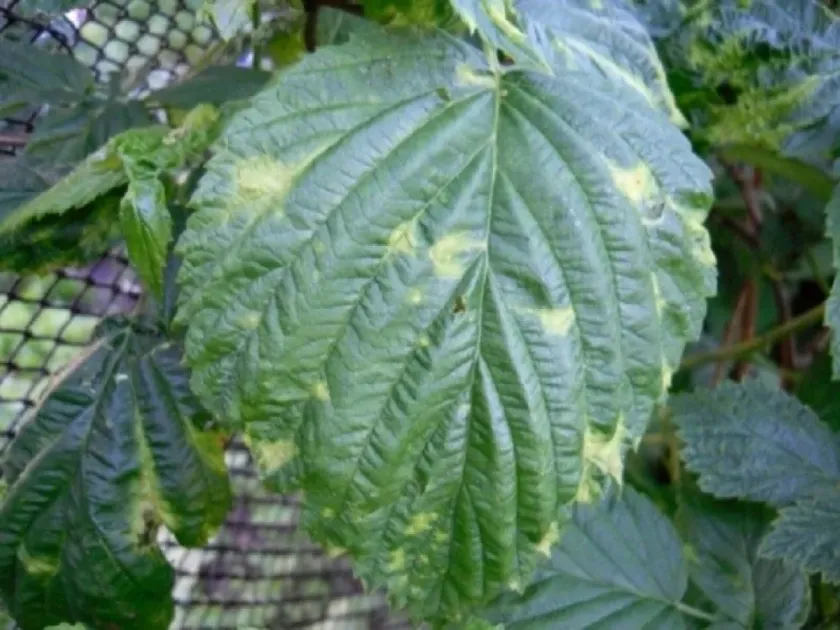
The most recognizable symptom is the mottling of leaves, characterized by a pattern of dark green, light green, and yellow patches that resemble a mosaic tile effect.
Leaves often exhibit severe deformation, such as puckering, crinkling, or curling of the leaf margins. This distortion significantly impacts the plant's ability to perform photosynthesis efficiently.
Stunting of the canes is a common sign of advanced infection. The distance between nodes decreases, and the overall plant height is significantly reduced, making the bushes appear weak and spindly.
The fruit produced by infected plants is typically poor in quality. The berries become crumbly, dry, and lack the characteristic sweet flavor of healthy raspberries, rendering them commercially worthless.
- Mottled yellow and green leaf patterns.
- Puckered, deformed, or curled leaf tissues.
- Reduced cane growth and stunted height.
- Low-quality, dry, and flavorless berries.
Pathogen
Raspberry mosaic is a viral disease caused by a complex of viruses (Raspberry mosaic virus complex), which typically involves several different pathogens infecting the plant simultaneously.
It is a systemic disease, meaning the virus spreads through the vascular system of the raspberry plant, eventually colonizing all tissues including the roots, canes, and leaves.
The primary source of infection is the introduction of diseased nursery stock. Once a plant is infected, the virus remains in its system permanently, ensuring a constant reservoir for spread.
The most common vector of this disease is the large raspberry aphid (Amphorophora rubi). The aphid acquires the virus by feeding on infected plants and transmits it to healthy ones during subsequent feeding sessions.
Mechanical transmission is also a significant factor in the spread of the disease, as pruning shears and other gardening tools can carry the virus if they are not cleaned after use on infected plants.
Conditions for development
The spread of the mosaic virus is highly dependent on the population dynamics of the aphid vector. Warm and humid conditions that favor rapid aphid breeding typically lead to increased infection rates.
High-density plantings with poor airflow often create ideal environments for aphids to move between canes, facilitating the rapid transfer of the virus across a large area.
Stress factors such as poor soil nutrient management or mechanical damage to roots can weaken the raspberry bushes, making them more susceptible to viral invasion and quicker to show symptoms.
The proximity of wild brambles or blackberries, which can act as symptomless reservoirs for the virus, increases the risk of transmission to cultivated raspberry patches.
Favorable environmental conditions allow aphids to migrate effectively, often leading to seasonal spikes in the number of newly infected bushes within a single growing year.
Why it matters
Raspberry mosaic is considered incurable. Once the virus has entered the plant's vascular system, there is no chemical cure available to eliminate the pathogen from the host tissue.
The primary damage is the progressive decline in plant vigor. Infected bushes become increasingly unproductive over time, leading to premature mortality and the loss of entire sections of the planting.
Yield loss is the most immediate economic impact. The combination of stunted growth and poor fruit development can reduce total crop production by a very large percentage each season.
Infected plants exhibit reduced winter hardiness, making them more prone to winter kill during cold periods and increasing susceptibility to secondary fungal diseases due to overall weakness.
The presence of mosaic disease acts as a persistent threat to neighboring plants. Because vectors are constantly present, an untreated infected plant acts as a focal point for the disease to spread.
Protection
The only truly effective method for controlling raspberry mosaic is the immediate removal and destruction of symptomatic plants. Once a plant is diagnosed, it should be dug up entirely.
Prevention begins with the selection of high-quality, certified, virus-free planting stock. Only purchase plants from reputable nurseries to minimize the risk of initial infection.
Integrated pest management focusing on aphid control is essential. Regularly applying insecticides during the active growing season helps to keep the population of vectors low.
Maintain good cultural practices, including regular weeding to remove alternative host plants and ensuring optimal plant nutrition to keep the raspberry bushes as vigorous as possible.
Sanitation is critical; all pruning tools must be disinfected with alcohol or other appropriate solutions between tasks to prevent the mechanical transfer of the virus from bush to bush.
Pathogens and affected parts
Affects crops · 1
Discussion
No discussions yet — be the first.