

Reference · Crops
Chrysanthemum
Chrysanthemum L.
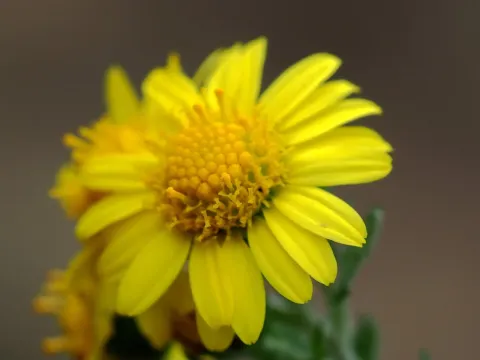
Chrysanthemum (Chrysanthemum L.) belongs to the Asteraceae family. It is a significant agricultural crop worldwide, recognized primarily for its ornamental value and status as a staple in the global floral trade.
26
items
What the section contains
Chrysanthemum dichrum
Chrysanthemum dichrum (C. Shih) H. Ohashi & Yonek.
 Chrysanthemum indicum
 L.
Chrysanthemum indicum
Chrysanthemum indicum L.
 Chrysanthemum morifolium
Chrysanthemum x morifolium x Chrysanthemum morii
Chrysanthemum morifolium
Chrysanthemum x morifolium x Chrysanthemum morii
 Chrysanthemum morii
 Hayata
Chrysanthemum oreastrum
Chrysanthemum oreastrum Hance
Chrysanthemum vestitum
Chrysanthemum vestitum (Hemsl.) Stapf
Chrysanthemum morii
Chrysanthemum morii Hayata
Chrysanthemum oreastrum
Chrysanthemum oreastrum Hance
Chrysanthemum vestitum
Chrysanthemum vestitum (Hemsl.) Stapf
 Chrysanthemum yoshinaganthum
 Makino ex Kitam.
Chrysanthemum yoshinaganthum
Chrysanthemum yoshinaganthum Makino ex Kitam.
 Chrysanthemum zawadskii
 Herbich
Chrysanthemum zawadskii
Chrysanthemum zawadskii Herbich
 Chrysanthemum zawadskii
 Herbich subsp. coreanum (Nakai) Y. N. Lee x Chrysanthemum zawadskii Herbich subsp. latilobum (Maxim.) Kitag.
Chrysanthemum zawadskii
Chrysanthemum zawadskii Herbich subsp. coreanum (Nakai) Y. N. Lee
Chrysanthemum zawadskii
Chrysanthemum zawadskii Herbich subsp. latilobum (Maxim.) Kitag.
Chrysanthemum zawadskii
Chrysanthemum zawadskii Herbich x Chrysanthemum oreastrum Hance
Chrysanthemum zawadskii
Chrysanthemum zawadskii Herbich subsp. coreanum (Nakai) Y. N. Lee x Chrysanthemum zawadskii Herbich subsp. latilobum (Maxim.) Kitag.
Chrysanthemum zawadskii
Chrysanthemum zawadskii Herbich subsp. coreanum (Nakai) Y. N. Lee
Chrysanthemum zawadskii
Chrysanthemum zawadskii Herbich subsp. latilobum (Maxim.) Kitag.
Chrysanthemum zawadskii
Chrysanthemum zawadskii Herbich x Chrysanthemum oreastrum Hance
 Corn marigold
Chrysanthemum segetum L.
Dendranthema zawadskii
Chrysanthemum zawadskii Herbich subsp. lucidum (Nakai) Y. N. Lee x Chrysanthemum zawadskii Herbich subsp. latilobum (Maxim.) Kitag.
Corn marigold
Chrysanthemum segetum L.
Dendranthema zawadskii
Chrysanthemum zawadskii Herbich subsp. lucidum (Nakai) Y. N. Lee x Chrysanthemum zawadskii Herbich subsp. latilobum (Maxim.) Kitag.
 Garden chrysanthemum
Chrysanthemum x morifolium Ramat.
Hybrid Chrysanthemum shiwogiku and vestitum
Chrysanthemum shiwogiku x Chrysanthemum vestitum
Garden chrysanthemum
Chrysanthemum x morifolium Ramat.
Hybrid Chrysanthemum shiwogiku and vestitum
Chrysanthemum shiwogiku x Chrysanthemum vestitum
 Hybrids of Chrysanthemum zawadskii and Chrysanthemum indicum
hybrids between Chrysanthemum zawadskii Herbich and Chrysanthemum indicum L.
Hybrids of Chrysanthemum zawadskii and Chrysanthemum morifolium
hybrids between Chrysanthemum zawadskii Herbich and Chrysanthemum morifolium Ramat
Hybrids of Chrysanthemum zawadskii and Chrysanthemum indicum
hybrids between Chrysanthemum zawadskii Herbich and Chrysanthemum indicum L.
Hybrids of Chrysanthemum zawadskii and Chrysanthemum morifolium
hybrids between Chrysanthemum zawadskii Herbich and Chrysanthemum morifolium Ramat
 Japanese chrysanthemum
Chrysanthemum japonense (Makino) Nakai
Japanese chrysanthemum
Chrysanthemum japonense (Makino) Nakai
 Lavender-leaved chrysanthemum
Chrysanthemum lavandulifolium (Fisch. ex Trautv.) Makino
Lavender-leaved chrysanthemum
Chrysanthemum lavandulifolium (Fisch. ex Trautv.) Makino
 Pacific chrysanthemum
Chrysanthemum pacificum Nakai
Pacific chrysanthemum hybrid
Chrysanthemum pacificum x Chrysanthemum x morifolium
Pacific chrysanthemum
Chrysanthemum pacificum Nakai
Pacific chrysanthemum hybrid
Chrysanthemum pacificum x Chrysanthemum x morifolium
 Shiwogiku chrysanthemum
Chrysanthemum shiwogiku Kitam.
Shiwogiku chrysanthemum
Chrysanthemum shiwogiku Kitam.
 Weyrich's chrysanthemum
Chrysanthemum weyrichii (Maxim.) Miyabe
Weyrich's chrysanthemum hybrid
Chrysanthemum weyrichii x C. morifolium
Zawadski's Chrysanthemum
Chrysanthemum zawadskii Herbich subsp. lucidum (Nakai) Y. N. Lee
Weyrich's chrysanthemum
Chrysanthemum weyrichii (Maxim.) Miyabe
Weyrich's chrysanthemum hybrid
Chrysanthemum weyrichii x C. morifolium
Zawadski's Chrysanthemum
Chrysanthemum zawadskii Herbich subsp. lucidum (Nakai) Y. N. Lee
Chrysanthemum indicum
Chrysanthemum indicum L.
Chrysanthemum morifolium
Chrysanthemum x morifolium x Chrysanthemum morii
Chrysanthemum morii
Chrysanthemum morii Hayata
Chrysanthemum oreastrum
Chrysanthemum oreastrum Hance
Chrysanthemum vestitum
Chrysanthemum vestitum (Hemsl.) Stapf
Chrysanthemum yoshinaganthum
Chrysanthemum yoshinaganthum Makino ex Kitam.
Chrysanthemum zawadskii
Chrysanthemum zawadskii Herbich
Chrysanthemum zawadskii
Chrysanthemum zawadskii Herbich subsp. coreanum (Nakai) Y. N. Lee x Chrysanthemum zawadskii Herbich subsp. latilobum (Maxim.) Kitag.
Chrysanthemum zawadskii
Chrysanthemum zawadskii Herbich subsp. coreanum (Nakai) Y. N. Lee
Chrysanthemum zawadskii
Chrysanthemum zawadskii Herbich subsp. latilobum (Maxim.) Kitag.
Chrysanthemum zawadskii
Chrysanthemum zawadskii Herbich x Chrysanthemum oreastrum Hance
Corn marigold
Chrysanthemum segetum L.
Dendranthema zawadskii
Chrysanthemum zawadskii Herbich subsp. lucidum (Nakai) Y. N. Lee x Chrysanthemum zawadskii Herbich subsp. latilobum (Maxim.) Kitag.
Garden chrysanthemum
Chrysanthemum x morifolium Ramat.
Hybrid Chrysanthemum shiwogiku and vestitum
Chrysanthemum shiwogiku x Chrysanthemum vestitum
Hybrids of Chrysanthemum zawadskii and Chrysanthemum indicum
hybrids between Chrysanthemum zawadskii Herbich and Chrysanthemum indicum L.
Hybrids of Chrysanthemum zawadskii and Chrysanthemum morifolium
hybrids between Chrysanthemum zawadskii Herbich and Chrysanthemum morifolium Ramat
Japanese chrysanthemum
Chrysanthemum japonense (Makino) Nakai
Lavender-leaved chrysanthemum
Chrysanthemum lavandulifolium (Fisch. ex Trautv.) Makino
Pacific chrysanthemum
Chrysanthemum pacificum Nakai
Pacific chrysanthemum hybrid
Chrysanthemum pacificum x Chrysanthemum x morifolium
Shiwogiku chrysanthemum
Chrysanthemum shiwogiku Kitam.
Weyrich's chrysanthemum
Chrysanthemum weyrichii (Maxim.) Miyabe
Weyrich's chrysanthemum hybrid
Chrysanthemum weyrichii x C. morifolium
Zawadski's Chrysanthemum
Chrysanthemum zawadskii Herbich subsp. lucidum (Nakai) Y. N. Lee
Marketplace
Products in this section · 12


Chrysanthemum
Originating from East Asia, these plants have a long history of cultivation. Today, they are grown extensively in both temperate and tropical climates, adapting to various environmental conditions through sophisticated breeding programs.
The crop requires well-draining, nutrient-rich soil with a pH ranging from 6.0 to 6.5. Proper soil aeration is essential, as the root system is highly sensitive to waterlogging, which often leads to decay.
As photoperiod-sensitive plants, chrysanthemums require precise lighting management. Commercial growers manipulate day length to control flowering time, ensuring year-round production in greenhouse environments.
Environmental control is crucial, with temperatures between 15°C and 25°C being optimal for vegetative growth and bud development. Stable conditions help prevent physiological disorders and ensure uniform flower quality.
Common pests include aphids, spider mites, and thrips. These organisms cause significant damage to foliage and flower quality, necessitating constant monitoring and preventive strategies.
Fungal diseases, including powdery mildew, gray mold (Botrytis), and Verticillium wilt, are major threats that thrive in high humidity and poor ventilation conditions.
Nematodes are particularly problematic in field-grown crops, often requiring soil sterilization or crop rotation strategies to minimize population densities before planting.
Viral infections can be transmitted by insect vectors, leading to stunted growth and distorted blooms. Maintaining strict greenhouse hygiene is the primary defense mechanism against such pathogens.
Integrated pest management (IPM) is standard practice, utilizing a combination of biological controls, beneficial insects, and targeted fungicide applications to maintain crop health.
Harvesting is performed at the bud-burst stage to maximize the vase life of the flowers. Proper timing is essential to balance aesthetics with shipping durability.
Stems must be cut with sharp, sterilized tools to ensure clean wounds, reducing the risk of bacterial contamination that could compromise the post-harvest longevity of the cut stems.
- Immediate hydration in preservative solutions
- Grading based on stem length and flower diameter
- Cool chain management during transit
Storage at controlled low temperatures, typically around 2-4°C, is vital to slow down metabolic processes and maintain the freshness of the harvested chrysanthemums.
Final packaging is designed to protect the delicate petals and foliage from mechanical bruising, ensuring the product reaches consumers in peak commercial condition.