
Chrysanthemum zawadskii
Chrysanthemum zawadskii Herbich subsp. latilobum (Maxim.) Kitag.
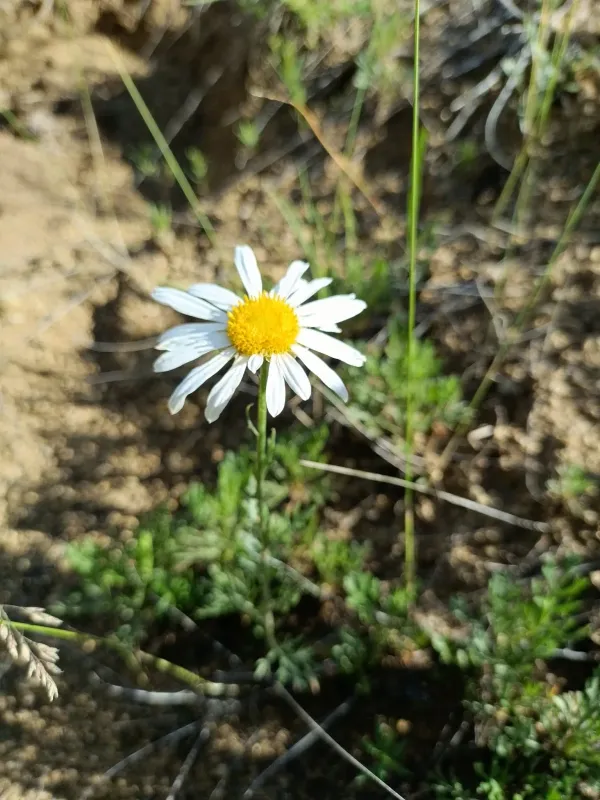
Description
Sowing dates
Propagation of Chrysanthemum zawadskii is typically achieved through division of established clumps in early spring when the plant is just starting its new growth.
Seed propagation is an alternative, requiring sowing in trays during late winter inside a greenhouse to ensure enough time for seedlings to mature before transplanting.
Transplanting into the permanent garden site should be done carefully to maintain root integrity and promote rapid establishment in the new soil.
Space the plants approximately 40 centimeters apart to provide enough room for the foliage to develop its characteristic dense and bushy habit.
Early season maintenance includes clearing away dead debris from the previous year to allow fresh stems to emerge without obstruction from pathogens.
Growing requirements
As a member of the Asteraceae family, this species thrives in locations receiving full sunlight throughout the major part of the day.
The plant performs best in moderately fertile, well-draining soils with a neutral pH, avoiding heavy clays that tend to hold excessive moisture.
Cold hardiness is one of its primary characteristics, making it suitable for temperate climates with cool autumns and winters.
Regular watering is essential during dry summer spells, but it is vital to avoid wetting the foliage directly to reduce the risk of leaf diseases.
Applying a balanced fertilizer in the early spring, followed by a potash-rich feed before flowering, enhances bloom quantity and structural stability.
Main diseases and pests
Aphids are common pests that target the terminal shoots, potentially causing stunted growth and distorted leaf development if left untreated.
Powdery mildew is a prevalent issue in humid conditions, appearing as white patches on leaves that can weaken the overall health of the plant.
Root rot is the most significant threat to plant longevity, usually occurring when the soil remains waterlogged for extended periods.
Integrated pest management, including regular inspection and the use of targeted sprays, is recommended for maintaining high yield quality.
Cultural control measures, such as providing adequate spacing for airflow, are the most effective ways to prevent the onset of fungal infections.