
Chrysanthemum yoshinaganthum
Chrysanthemum yoshinaganthum Makino ex Kitam.
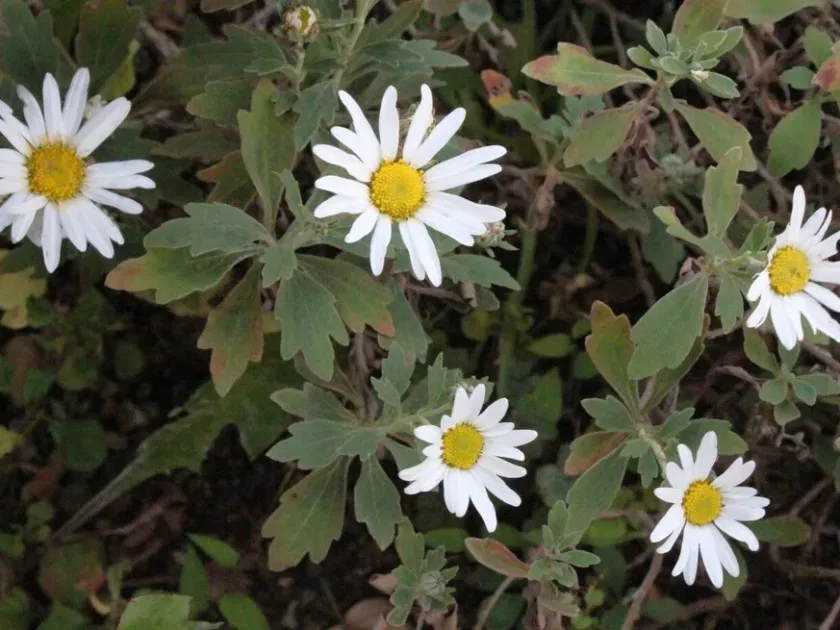
Description
Growing requirements
Chrysanthemum yoshinaganthum is a perennial herbaceous plant belonging to the Asteraceae family. It is a rare, endemic species originating from the mountainous regions of Shikoku, Japan, where it has adapted to specific ecological niches with cool temperatures and high atmospheric humidity.
The cultivation of this species requires well-drained, nutrient-rich soils that maintain moisture without becoming waterlogged. Proper soil aeration is critical, as the root system of this mountain chrysanthemum is highly sensitive to hypoxia caused by stagnant water in the substrate.
Botanically, the plant features distinctively serrated foliage and compact growth habits. In terms of light requirements, it prefers bright, indirect sunlight, as intense mid-day sun can dehydrate the leaves and lead to premature wilting of the delicate stems.
Agricultural management should focus on creating a microclimate that mimics its native environment. This involves providing adequate air circulation around the canopy to prevent the buildup of heat and humidity, which are detrimental to the long-term health of this perennial species.
The primary use of Chrysanthemum yoshinaganthum is in decorative horticulture and scientific breeding programs. Its unique genetic traits make it a valuable asset for horticulturists aiming to introduce high-altitude hardiness into commercial chrysanthemum cultivars.
Main diseases and pests
The plant is susceptible to various fungal pathogens, most notably powdery mildew and grey mold, which typically appear during periods of high humidity or insufficient airflow. Proper spacing between individual plants is the most effective preventative measure against these diseases.
Common insect pests include aphids and spider mites, which target the soft tissues of the stems and leaves. Regular monitoring and the application of targeted horticultural sprays are necessary to keep infestations under control and ensure the plant remains vigorous throughout the growing season.