
Japanese chrysanthemum
Chrysanthemum japonense (Makino) Nakai
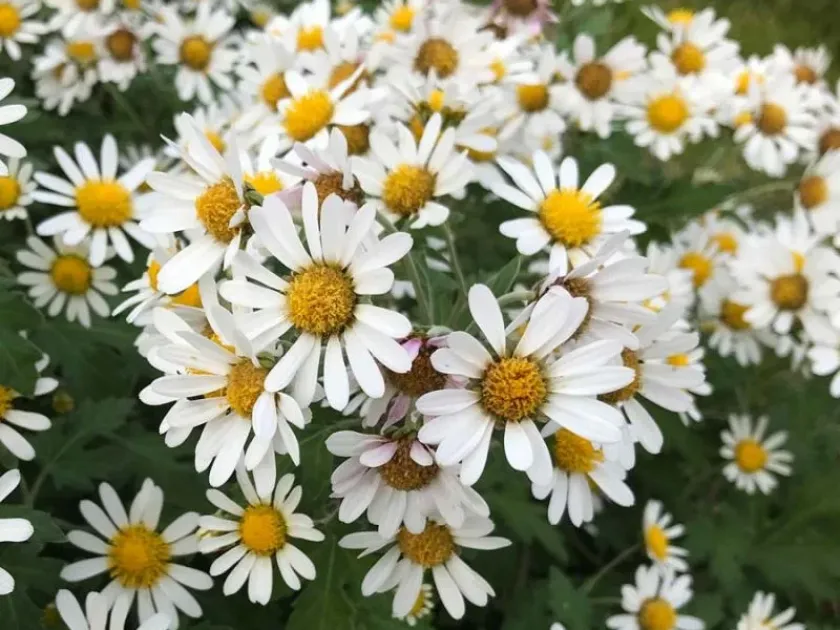
Description
Growing requirements
The Japanese chrysanthemum (Chrysanthemum japonense) belongs to the Asteraceae family and is native to Japan, where it typically thrives in mountainous habitats. It is a perennial plant prized for its elegant form and natural aesthetic.
This species requires high light exposure for optimal vegetative development. Growing it in partial shade often leads to leggy stems and poor flower production, which is why sunny, open locations are strongly recommended for cultivation.
The soil requirements focus on excellent drainage and moderate fertility. Chrysanthemum japonense performs best in well-aerated, slightly acidic to neutral soil. Amending native soil with organic compost is beneficial for maintaining the necessary structure.
Temperature management is critical for success, as the species is adapted to temperate climatic conditions. It requires a distinct growing season and can tolerate cool autumn temperatures, but protection from hard frost is advised in northern regions.
Maintenance involves regular irrigation during the active growth phase, ensuring the soil remains moist but never waterlogged. Monitoring soil moisture is essential, as saturated conditions often lead to root oxygen deprivation and subsequent decay.
Main diseases and pests
Fungal pathogens such as Septoria leaf spot and powdery mildew are the most common threats to this crop. These diseases are favored by stagnant air and high humidity, making site selection and plant spacing crucial for disease management.
Aphids and spider mites are the primary pests that affect the vigor of the plant. These insects proliferate quickly in dry and warm conditions, requiring integrated pest management strategies to protect the foliage and developing buds.
Nematodes, specifically those affecting the roots, can cause significant damage by restricting water and nutrient uptake. Using certified disease-free stock is the most effective preventative measure against such soil-borne threats.
Viral infections can manifest as mottled leaves or stunted growth. Since there is no curative treatment for viruses, sanitation measures, such as immediate removal and destruction of symptomatic plants, are necessary to prevent spread.
A proactive approach to garden management, including regular weeding and debris removal, reduces the environment suitable for pathogens. Maintaining plant health through proper nutrition significantly increases the natural resistance of the crop.