
Weyrich's chrysanthemum hybrid
Chrysanthemum weyrichii x C. morifolium
Description
Growing requirements
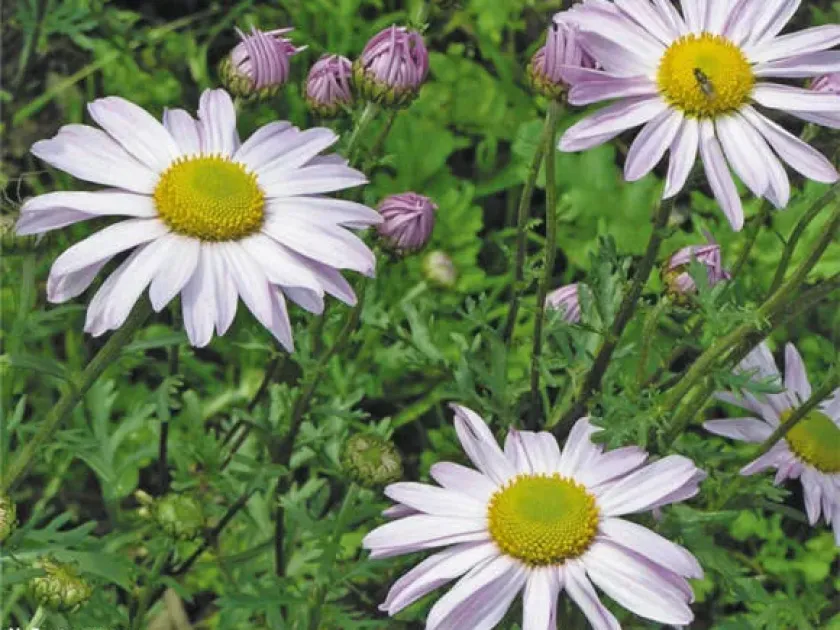
Weyrich's chrysanthemum hybrid is a specialized cross-breed involving Chrysanthemum weyrichii and Chrysanthemum morifolium, belonging to the Asteraceae family. This hardy perennial is valued for its unique combination of cold-resistance and aesthetic appeal, making it a staple in modern garden landscape design.
The original parent species, Chrysanthemum weyrichii, originates from the rocky terrains of Sakhalin and the Kuril Islands. This evolutionary history dictates the hybrid's need for excellent soil drainage, as the plants are naturally adapted to environments where water does not pool around their roots.
Optimal cultivation requires full sun exposure to ensure vigorous growth and profuse flowering throughout the late summer and autumn seasons. Soils should be rich in organic matter, slightly acidic to neutral in pH, and maintained at a consistent moisture level without allowing for waterlogging which may cause root rot.
Agrotechnical practices involve regular pruning during the early growing season to encourage lateral branching and density. Fertilization schedules should prioritize balanced NPK formulations early in the season, transitioning to higher phosphorus levels as flower bud initiation begins to ensure optimal plant health.
Commercial and home use is primarily focused on aesthetic landscaping, rock garden maintenance, and as a container plant. Due to its dwarf habit and high adaptability to container life, the hybrid is highly favored by professional greenhouse growers for early autumn retail distribution.
Main diseases and pests
The primary pathogenic threats include fungal infections such as powdery mildew and grey mold, which thrive in conditions of poor air circulation and high humidity. Proper spacing between individual plants is the most effective cultural method to mitigate the risk of these diseases spreading throughout the bed.
Insect pests including aphids and spider mites are known to frequently infest the undersides of leaves and developing buds. Integrated pest management strategies, utilizing both predatory insects and targeted botanical or synthetic insecticides, are recommended to maintain plant vitality throughout the vegetative cycle.