
Chrysanthemum zawadskii
Chrysanthemum zawadskii Herbich subsp. coreanum (Nakai) Y. N. Lee x Chrysanthemum zawadskii Herbich subsp. latilobum (Maxim.) Kitag.
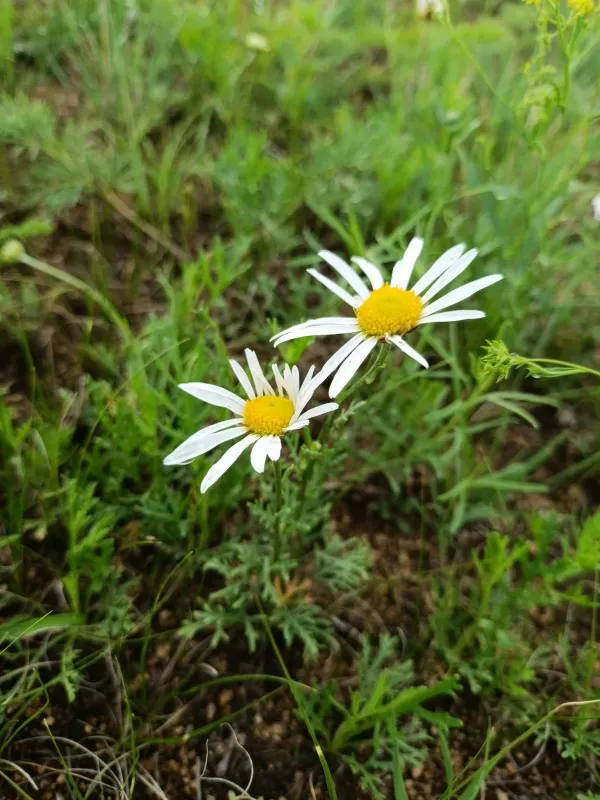
Description
Growing requirements
Chrysanthemum zawadskii is a perennial herbaceous plant belonging to the Asteraceae family. This hybrid, originating from the cross of specific subspecies, is a significant ornamental crop known for its resilience and aesthetic appeal.
The native distribution area includes parts of East Asia, primarily the Korean Peninsula and surrounding regions. Due to its adaptation to mountain climates, the plant displays high levels of environmental plasticity and winter hardiness.
Botanically, the species is characterized by deeply lobed leaves and sturdy stems. Its floral structure consists of capitulum-type inflorescences, which contribute to its status as a sought-after species for both private gardens and commercial nurseries.
The plant requires full sun exposure and well-drained, nutrient-rich soil to thrive. While it is tolerant of various soil types, maintaining a neutral pH balance is crucial for optimal nutrient uptake and overall development of the plant.
Economically, Chrysanthemum zawadskii is extensively used in landscape architecture and plant breeding programs. Its ability to provide long-lasting blooms in the autumn season makes it a highly valuable component in floral design and urban greening.
Main diseases and pests
Major phytosanitary threats include fungal diseases such as powdery mildew and gray mold, which are particularly prevalent in humid and stagnant air conditions. Proper plant spacing is essential to ensure adequate airflow and disease prevention.
Insect pests, specifically aphids and spider mites, are common challenges that can stunt plant growth and reduce ornamental value. Regular monitoring and integrated pest management are recommended to keep populations under control.
Root-knot nematodes represent a hidden threat that can significantly weaken the plant from below the surface. Soil testing and the use of healthy, pathogen-free rootstock are vital practices for every commercial grower.
Maintaining garden hygiene by clearing debris at the end of the growing season is a standard preventive measure against pathogens overwintering in the soil. This practice simplifies the management of the crop for the following year.
Chemical control should be employed judiciously, focusing on systemic products that are effective against specific identified pests. By prioritizing plant health and environmental conditions, growers can reduce the need for intensive chemical applications.