
Shiwogiku chrysanthemum
Chrysanthemum shiwogiku Kitam.
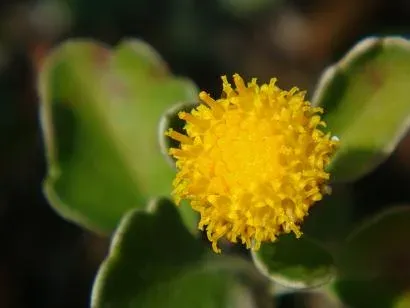
Description
Growing requirements
The Shiwogiku chrysanthemum (Chrysanthemum shiwogiku) is a perennial flowering plant belonging to the Asteraceae family. It is native to the coastal cliffs of Shikoku, Japan, where it has evolved to thrive in harsh, rocky, and saline maritime environments.
Botanically, this species is distinguished by its small, deeply lobed leaves which feature a dense, silvery-white tomentum on the underside. The plant forms low-growing, compact mounds, usually reaching heights of 30 to 50 centimeters, making it an excellent choice for ground-level landscaping.
Regarding cultivation requirements, this plant demands excellent drainage. In garden settings, it should be planted in gritty or sandy soils to mimic its natural cliffside habitat, as it is highly susceptible to root rot if water remains stagnant around the base.
The Shiwogiku chrysanthemum requires a sunny location to maintain its compact growth habit and produce an abundance of late-season white, daisy-like flowers. Adequate light exposure is essential for the plant to develop its signature leaf coloration and structural integrity.
In terms of agricultural and horticultural use, it is prized as a collector's plant for rock gardens and alpine displays. Its ability to tolerate wind and poor soil conditions makes it a functional choice for difficult garden spots that are not suitable for more delicate perennials.
Main diseases and pests
The primary health threats to Chrysanthemum shiwogiku include fungal pathogens such as powdery mildew, which thrive in high humidity and poor air circulation. Proper spacing between individual plants is a critical preventive measure in professional gardening.
Pests like aphids and spider mites can also pose a risk to the plant's vitality. Regular scouting and, if necessary, the application of horticultural soaps or selective pesticides help maintain the health of the foliage and ensure successful flowering cycles.