
Chrysanthemum decaisneanum
Chrysanthemum decaisneanum
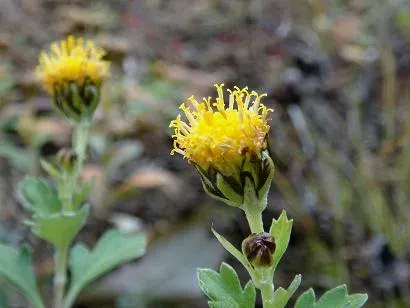
Description
Growing requirements
Chrysanthemum decaisneanum is a perennial herbaceous plant belonging to the Asteraceae family. Known for its distinct botanical structure, this species thrives in mountainous environments where ecological conditions are specific and demanding.
For successful cultivation, the plant requires well-drained, fertile soil with a neutral to slightly acidic pH. Proper soil aeration is essential for the healthy development of its root system, preventing the common issue of root rot.
Exposure to full sunlight is a critical requirement for this species. In agricultural settings, selecting a site with good air circulation and adequate light intensity ensures robust growth and prevents the thinning of stems.
Climatic preferences include temperate conditions with seasonal variations typical of its native range. While the plant shows some resistance to cooler temperatures, extreme humidity during dormant periods should be avoided.
Agrotechnical management includes regular monitoring of soil moisture and the strategic application of fertilizers. Providing essential macro- and micronutrients during the growing season significantly enhances plant vitality and floral output.
Main diseases and pests
Common threats to the cultivation of Chrysanthemum decaisneanum include fungal pathogens such as powdery mildew, which often appears in stagnant, humid air conditions.
Insect pests, notably aphids and spider mites, are frequent challenges. These organisms feed on plant juices and can cause structural damage to foliage and developing buds if not controlled promptly.
Root nematodes can negatively impact the plant's nutrient uptake, necessitating strict quarantine and hygiene practices regarding the propagation material used in cultivation.
Integrated pest management (IPM) strategies, involving both chemical and biological control agents, are recommended to maintain plant health throughout the vegetative cycle.
Regular sanitation, such as removing fallen leaves and pruning infected sections, is vital for preventing the spread of diseases within the cultivation area.