
Chrysanthemum crassum
Chrysanthemum crassum
Description
Growing requirements
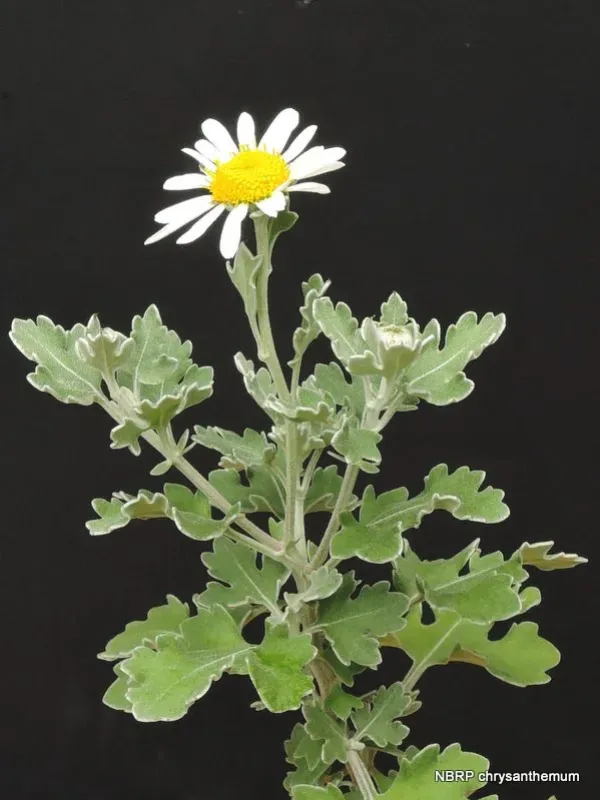
Chrysanthemum crassum is a rare perennial species belonging to the Asteraceae family, primarily known for its limited endemic range on the Berlengas archipelago. It is a succulent-like plant that has evolved to thrive in harsh coastal conditions.
The plant features thick, fleshy foliage designed to conserve water, allowing it to survive on nutrient-poor, rocky substrates. This adaptation is vital for its resilience against the constant salt spray and high winds typical of its natural habitat.
Successful cultivation requires meticulous attention to drainage, as the plant is extremely susceptible to root rot if placed in waterlogged soil. A gritty, mineral-rich substrate is highly recommended to replicate its native rocky environment.
High levels of solar radiation are necessary for the plant to maintain its structural integrity and health. Inadequate lighting can lead to etiolation and a significant reduction in the plant's overall vigor and succulent characteristics.
From an agricultural and horticultural perspective, this species is mainly of interest for scientific research and conservation. Its propagation is strictly monitored due to its rare status in the wild, preventing widespread commercial cultivation.
Main diseases and pests
The primary threat to the health of Chrysanthemum crassum is fungal infection, which occurs primarily due to improper airflow and excessive humidity around the foliage.
Common horticultural pests like aphids and spider mites can infest the plants, particularly when grown under suboptimal conditions or in closed environments.
Root rot remains the most significant threat, often resulting from overwatering or poorly draining soil mediums, necessitating careful irrigation management.
The species faces pressure from invasive exotic plants that compete for space and resources within its restricted native range, affecting its population stability.
Integrated pest management strategies focusing on preventative measures and biological controls are preferred to protect this sensitive species from external threats.