
Lavender-leaved chrysanthemum
Chrysanthemum lavandulifolium (Fisch. ex Trautv.) Makino
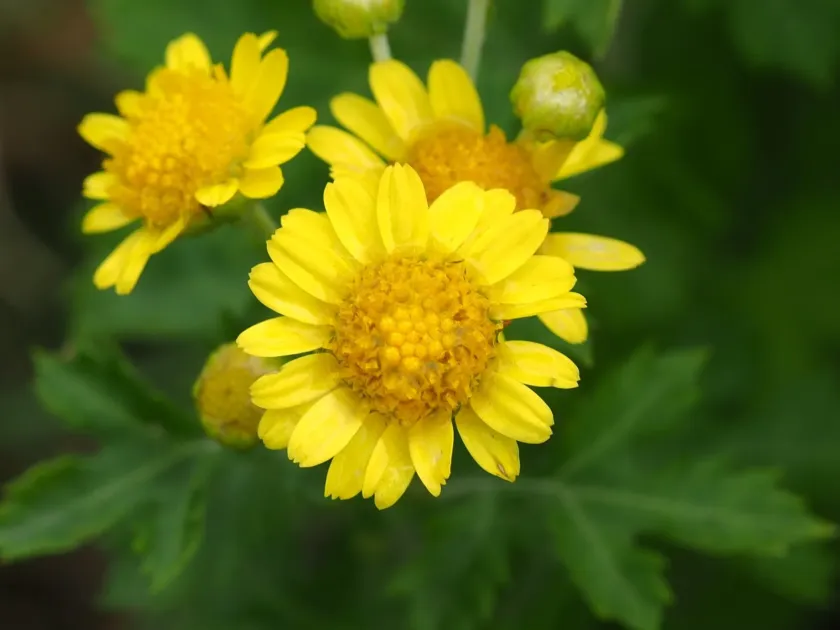
Description
Growing requirements
The lavender-leaved chrysanthemum (Chrysanthemum lavandulifolium) is a perennial herbaceous plant belonging to the Asteraceae family. It is native to the regions of East Asia, primarily found in China and Korea, where it grows in habitats characterized by good solar exposure.
Botanically, this species is distinguished by its narrow, finely divided leaves that resemble the foliage of lavender, providing it with unique ornamental potential. The plant creates dense clusters that are highly valued for landscaping and borders.
Cultivation requires well-drained, fertile soil with a neutral pH to ensure optimal health. It is essential to avoid waterlogging, as the root system of this chrysanthemum is sensitive to excessive moisture, which can lead to fungal infections.
The plant thrives in full sun, requiring at least six hours of direct sunlight daily for robust growth and prolific flowering. In regions with harsh winters, protection may be necessary to ensure the survival of the rootstock until the next spring.
Agrotechnical practices involve consistent weeding, periodic thinning to improve airflow, and the application of balanced organic fertilizers in the early stages of the growing season to support stem development.
Main diseases and pests
The most common disease affecting this species is powdery mildew, which often appears in conditions with high humidity and poor air circulation around the foliage.
Pest pressure is frequently caused by aphids, which colonize the growing tips of the plants, causing structural damage and hindering the formation of flower buds.
Spider mites are also a significant concern, particularly during hot and dry summer months when their population can explode if not monitored regularly.
To mitigate these threats, it is recommended to maintain wide spacing between plants and use preventive horticultural oils or insecticidal soaps when initial signs of pests appear.
Implementing a strict maintenance schedule, including the removal of dead or infected plant debris, is vital for the long-term success of the crop.