
Weyrich's chrysanthemum
Chrysanthemum weyrichii (Maxim.) Miyabe
Description
Growing requirements
Weyrich's chrysanthemum (Chrysanthemum weyrichii) is a hardy herbaceous perennial belonging to the Asteraceae family. Native to the Russian Far East, specifically Sakhalin and the Kuril Islands, as well as parts of Japan, it is highly adapted to rocky and coastal environments.
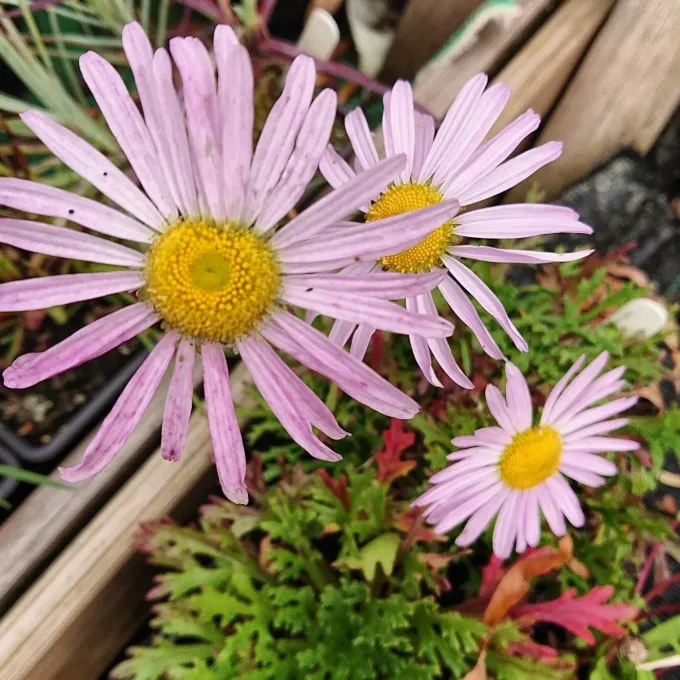
Botanically, the plant is characterized by its creeping or mat-forming habit, making it an excellent groundcover. It features deeply lobed foliage and produces solitary daisy-like flowers that range from white to deep pink, blooming in late summer and autumn.
For optimal growth, this species requires full sun exposure to maintain its compact shape and promote vigorous flowering. It thrives in well-draining soil types, showing a preference for sandy or gritty loam, which prevents the moisture stagnation that the roots dislike.
Agrotechnical practices involve providing consistent moisture during the growing season, though the plant is relatively drought-tolerant once established. Mulching around the base of the plant can help regulate soil temperature and retain essential moisture without waterlogging the crown.
In landscaping, this chrysanthemum is primarily utilized for rock gardens, borders, and slope stabilization. Its natural ability to withstand harsh winds and cold temperatures makes it a durable choice for high-maintenance or exposed garden areas.
Main diseases and pests
The main pests affecting Chrysanthemum weyrichii include aphids and spider mites, which can sap the vitality of the plant and cause leaf discoloration or stunted growth if left unmonitored during hot, dry spells.
Fungal diseases, most notably powdery mildew, represent a significant threat to the plant's health, particularly when air circulation is restricted by overcrowding or high humidity levels.
Effective management strategies emphasize cultural controls, such as spacing plants adequately to ensure good airflow and preventing overhead watering to keep foliage dry during the evening.
If chemical intervention is necessary, targeted application of appropriate fungicides or insecticides should be performed according to manufacturer guidelines to protect beneficial insects in the ecosystem.
Sanitation is a critical component of disease prevention; gardeners should regularly remove dead or decaying plant tissue to minimize the overwintering of pathogens near the healthy specimens.