
Chrysanthemum zawadskii
Chrysanthemum zawadskii Herbich x Chrysanthemum oreastrum Hance
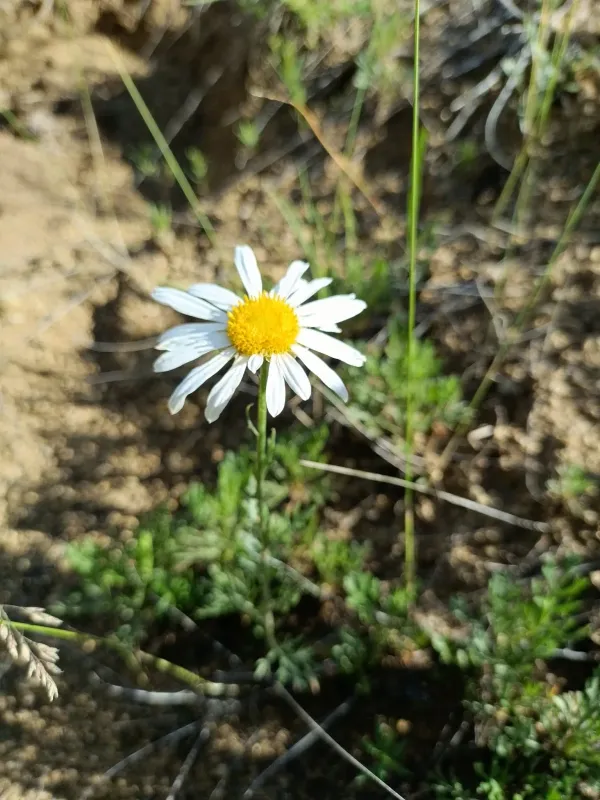
Description
Sowing dates
Propagation of Chrysanthemum zawadskii is most commonly achieved through seed sowing or vegetative division of the root system. Seeds are sown in seed trays in early spring, usually in March, maintaining a germination temperature of around 18–20 degrees Celsius.
When sowing seeds directly into open ground, the work is carried out in May, after the risk of late frosts has passed. For successful establishment, it is essential to maintain stable soil moisture during the initial growth stages of the crop.
Vegetative propagation by dividing the clump is recommended in early spring, before active sap flow begins. This method allows gardeners to preserve varietal characteristics and obtain a mature flowering plant within the current season.
Cuttings of the chrysanthemum are possible during the summer period using young shoots of the current year. Cuttings are placed in a light sandy-peat substrate under a plastic cover to create a greenhouse effect and speed up root formation.
For optimal seedling development, supplemental lighting is required during short daylight periods, as the culture is sensitive to light levels. Pricking out is performed after the second pair of true leaves appears to foster a strong root system.
Growing requirements
Chrysanthemum zawadskii belongs to the Asteraceae family and is a cold-hardy perennial plant. Naturally, it grows in the mountainous regions of East Asia, which determines its high adaptability to temperature fluctuations.
The plant prefers sunny, well-lit locations with protection from strong cold winds. In shaded areas, stems become elongated, and flowering intensity noticeably decreases, which detracts from the plant's decorative appearance.
The crop has moderate soil requirements, favoring fertile, loose, and well-drained loams. Water stagnation at the roots is fatal for the plant, so a drainage layer is mandatory when planting in heavy soils.
The optimal soil pH for the chrysanthemum should be close to neutral or slightly acidic. The application of organic fertilizers, such as well-rotted compost, in the fall significantly improves soil structure and enhances flowering.
During the growing season, the plant requires regular watering, especially in the budding phase. However, mature specimens show moderate drought tolerance, making them suitable for cultivation in rock gardens and rockeries.
Main diseases and pests
The main threats to the chrysanthemum are fungal diseases such as powdery mildew and gray mold. The development of infections is favored by high air humidity and dense plantings, which impair air circulation.
Pests frequently encountered on the crop include aphids and spider mites, which suck sap from young leaves and buds. In case of massive infestation, shoot deformation and premature drying of foliage are observed.
Nematodes can also attack the root system, leading to suppressed growth of the entire plant. For prevention, it is recommended to practice crop rotation and timely disinfection of tools used for pruning.
Against fungal pathogens, preventive spraying with copper-based preparations and systemic fungicides is effective. Application is recommended before the mass flowering phase to avoid reducing the plant's aesthetic value.
To combat insects, contact and systemic insecticides are used. A key element of protection is the regular inspection of plants and the removal of damaged parts to prevent the spread of pests.
Harvesting
Harvesting Chrysanthemum zawadskii for decorative purposes or cut flowers is performed when the inflorescences are two-thirds open. Cutting is done with sharp pruners in the morning hours when plant tissues are fully turgid.
After cutting, the stems must be placed in water immediately to prevent premature wilting. Chrysanthemum zawadskii is known for its good vase life, often remaining fresh for up to two weeks.
If the goal of cultivation is seed production, the inflorescences are left on the bush until the achenes are fully ripe. The sign of readiness is the darkening of the seeds and their easy separation from the head upon touch.
After harvesting, the seed material is thoroughly dried in a well-ventilated room at room temperature. Once cleaned of debris, seeds are stored in paper envelopes in a dry, airy place.
When grown as a perennial, the bushes are subjected to sanitary pruning in the fall. Stems are cut to a height of 5–10 centimeters above the soil level, which promotes successful overwintering and better branching the following year.