
Chrysanthemum zawadskii
Chrysanthemum zawadskii Herbich
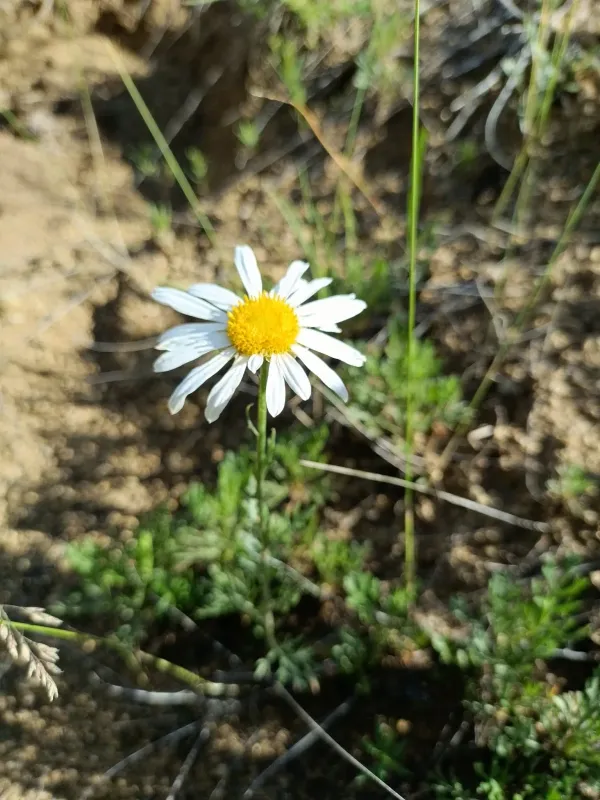
Description
Growing requirements
Chrysanthemum zawadskii Herbich is a perennial herbaceous plant belonging to the Asteraceae family. This species is native to mountainous regions in Eastern Europe and Asia, demonstrating high adaptability to challenging environments.
The crop thrives in well-drained, fertile soil with a neutral or slightly acidic pH. Sufficient sunlight exposure is crucial, as shading leads to etiolated stems and significantly reduces the plant's natural flowering capacity.
It is characterized by its winter hardiness and its ability to withstand significant temperature fluctuations, which makes it a preferred choice for outdoor cultivation in temperate climate zones.
Standard agrotechnical care involves consistent moisture management, avoiding waterlogged conditions that could inhibit root health. The plant's deep, fibrous root system benefits from periodic organic fertilization during the spring growth stage.
Beyond its ornamental use in rock gardens and landscapes, Chrysanthemum zawadskii serves as a valuable genetic resource in the breeding of cold-resistant chrysanthemum cultivars, contributing to agricultural diversity.
Main diseases and pests
The primary threats to this plant include fungal pathogens such as powdery mildew and gray mold, which are prevalent in conditions of poor air circulation and high humidity.
Insect pests commonly found on this culture are aphids, spider mites, and nematodes. These organisms can severely damage foliage and reproductive organs, necessitating prompt mitigation strategies.
Root rot is a significant risk factor, often caused by heavy, compacted soils that do not allow for adequate water drainage around the crown of the plant.
To maintain plant health, it is essential to employ a integrated pest management approach, utilizing both cultural practices, such as proper spacing, and chemical control when necessary.
Regular sanitation, including the removal of dead or infected plant parts throughout the season, helps to lower the pressure of diseases and ensures long-term vitality of the planting.