
Chrysanthemum morifolium
Chrysanthemum x morifolium x Chrysanthemum morii
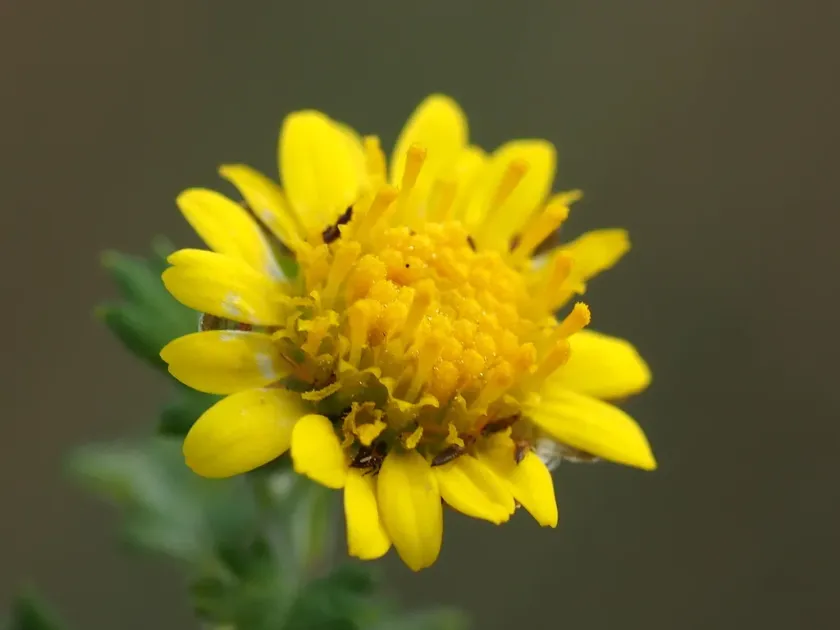
Description
Sowing dates
Chrysanthemum morifolium (Dendranthema) belongs to the Asteraceae family. In commercial agriculture, this crop is primarily propagated through vegetative methods, specifically cuttings, which ensures the consistency of varietal traits across the plantation.
The optimal timing for cutting propagation in greenhouse facilities falls between February and April. When using seed-based propagation, sowing is performed in late winter with the provision of supplemental lighting to ensure robust root system development.
Seedlings are transplanted into open fields or greenhouses only after the threat of late frosts has completely passed, as young plants are highly sensitive to thermal fluctuations. Soil temperature at planting should ideally be at least 12–15 degrees Celsius.
To facilitate successful rooting of cuttings, maintaining high air humidity and a substrate temperature of 18–20 degrees Celsius is essential. Strategic timing of planting is the foundation for managing bloom schedules in commercial production.
Light intensity significantly affects vegetative growth; therefore, shading screens are utilized during summer, while artificial lighting is employed in the autumn to manage photoperiodism and control flowering phases.
Growing requirements
The crop requires fertile, well-drained soils, with a preference for loams that have a neutral to slightly acidic pH range of 6.0 to 6.5. Ensuring adequate aeration of the root system is crucial to prevent waterlogging and associated root damage.
As a light-loving plant, chrysanthemum requires long days for active vegetative development, while many varieties require a short-day photoperiod to initiate flower bud formation, which is carefully regulated by agronomists in modern greenhouse operations.
Soil moisture levels should be kept consistently moderate. Excessive irrigation often leads to root rot, while water deficit negatively impacts the quality of the inflorescences and the turgor of the foliage.
Temperatures between 18 and 22 degrees Celsius are optimal for vegetative growth. During the flowering stage, it is advisable to lower temperatures to 15–17 degrees Celsius to extend the vase life of the cut flowers significantly.
Regular fertilization with complex NPK fertilizers is conducted every 10–14 days. Feeding begins at the onset of active growth and continues until the flower buds show visible pigmentation.
Main diseases and pests
The most significant pests affecting Chrysanthemum morifolium include aphids, spider mites, and thrips, which sap the vitality of young shoots and leaves. Heavy infestations often lead to plant deformation and the transmission of viral diseases.
Powdery mildew is among the most prevalent fungal diseases. It manifests as a white, dusty layer on the leaves, which significantly degrades the market value of the crop and inhibits the plant's photosynthetic capacity.
Root and stem rots, caused by pathogens such as Phytophthora, are typically triggered by overwatering and poor soil drainage. Mitigation involves strict irrigation management and the application of appropriate fungicides.
Grey mold (Botrytis cinerea) targets the flowers under conditions of high humidity and poor air circulation. It spreads rapidly, damaging the petals and reducing the overall quality of the harvest.
To prevent disease spread, it is vital to practice regular sanitary pruning of infected tissues and to implement crop rotation, avoiding cultivation on the same plot for multiple consecutive seasons.
Harvesting
Harvesting of Chrysanthemum morifolium is performed as flower buds begin to open. The optimal stage depends on the specific variety: some are harvested when the bud is half-open, while others are picked when the petals are fully colored.
Cutting tools must be kept sterile to prevent the cross-contamination of pathogens between plants. It is recommended to harvest during the early morning hours when the plant tissues are fully hydrated and turgid.
Immediately after cutting, stems are placed in clean water containing specific preservatives to inhibit bacterial growth in the vascular system, which is critical for maintaining freshness during transport.
Cut flowers are stored in refrigerated chambers at temperatures between 2 and 5 degrees Celsius. Maintaining the cold chain is mandatory to ensure the quality of the product for wholesale distribution.
Post-harvest processing involves sorting by stem length, flower density, and head size, which determines the final market grade and the economic value of the floral output.