
Chrysanthemum makinoi
Chrysanthemum makinoi
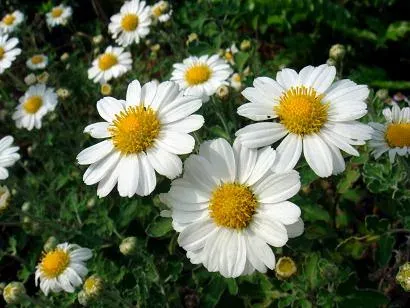
Description
Sowing dates
Chrysanthemum makinoi is a distinct perennial species belonging to the Asteraceae family. Native to Japan, this plant has gained popularity for its decorative value and adaptability to temperate gardening conditions.
The propagation process typically begins in late winter, either by sowing seeds in a controlled greenhouse environment or by dividing established clumps in early spring. Optimal germination occurs at temperatures between 18 and 20 degrees Celsius.
Seedlings should be hardened off before transplanting into permanent beds. Direct sunlight and well-prepared soil are essential for the healthy development of young plants during their first season.
When dividing mature plants, it is crucial to ensure that each section has a healthy root system and several viable buds. This method remains the most effective way to multiply the population while maintaining genetic consistency.
Spacing is a critical factor in agricultural management; plants should be set roughly 35 to 45 centimeters apart. Proper spacing ensures adequate airflow, which is vital for long-term plant health and vigor.
Growing requirements
This species thrives in well-drained, fertile soil with a neutral to slightly acidic pH level. Incorporating organic compost during soil preparation enhances moisture retention while preventing the risk of waterlogging.
Sunlight exposure is a primary requirement for Chrysanthemum makinoi. The plant requires at least six hours of direct sunlight daily to produce high-quality foliage and abundant, characteristic flowers.
Regular irrigation is necessary throughout the growing season, especially during hot, dry spells. However, gardeners must avoid overhead watering to reduce the risk of leaf diseases and moisture-related stress.
Fertilization with a balanced NPK ratio during the early growth stage supports vigorous development. During the bud formation stage, switching to a higher phosphorus and potassium blend can significantly enhance bloom quality.
Pruning is an essential maintenance task. By pinching back growing tips in early summer, gardeners can encourage a bushier structure, preventing the plant from becoming leggy and improving overall presentation.
Main diseases and pests
The primary pest threats include aphids and spider mites, which tend to infest the undersides of the leaves. Monitoring programs using yellow sticky traps are highly recommended for early detection of these pests.
Fungal pathogens such as powdery mildew represent a significant risk, particularly in areas with high humidity. Proper spacing and the application of fungicides are standard preventative measures used in commercial cultivation.
Botrytis blight may occur during periods of prolonged rainfall or cool, overcast weather. Removing dead plant tissue and ensuring adequate air circulation are effective ways to mitigate the spread of this fungus.
Nematodes can occasionally pose a threat in poorly drained soils. Soil solarization or the use of healthy, certified planting material are the most effective strategies for preventing infestations.
Effective disease management also relies on rigorous sanitation. Cleaning pruning tools between plants and destroying infected foliage prevent the transfer of pathogens across the entire plot.