
Chrysanthemum indicum
Chrysanthemum indicum L.
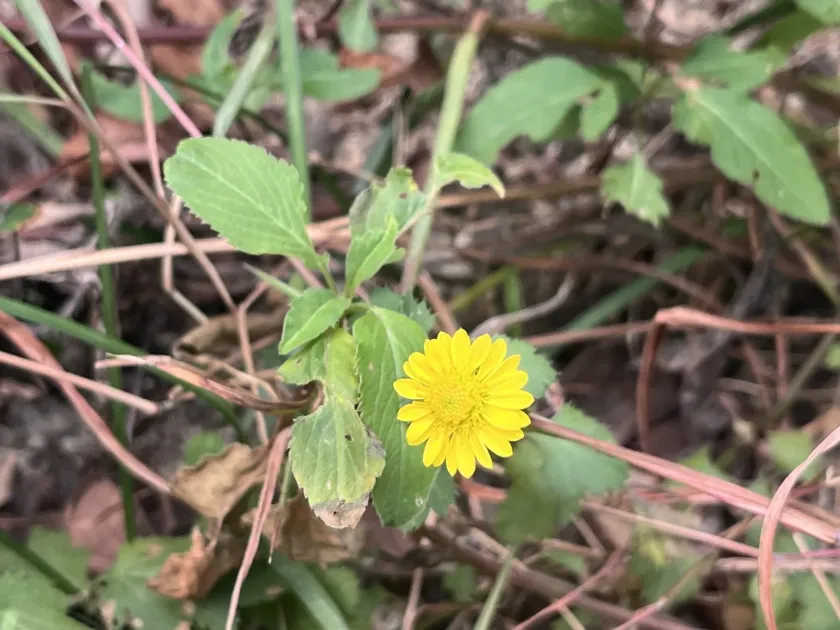
Description
Sowing dates
Chrysanthemum indicum L., a member of the Asteraceae family, is a perennial herb often cultivated for ornamental and industrial purposes. Propagation is typically achieved through seeds or stem cuttings.
Seeds are sown in late winter or early spring in a sterile, well-draining potting medium. Consistent humidity is required during the germination phase to ensure a uniform emergence of seedlings.
Once seedlings reach a stage with two or three true leaves, they are transplanted into individual containers. This process helps in developing a strong root system before field planting.
Cuttings are sourced from vigorous, disease-free mother plants. These are usually 8–10 cm long and are treated with rooting hormones before being placed in a propagating tray.
Field planting occurs after the last frost. Spacing is crucial to ensure adequate airflow, which is a primary defense against the development of foliage diseases in dense populations.
Growing requirements
This species thrives in sunny locations with full exposure to light. Insufficient light levels negatively affect the stem strength and the intensity of floral development.
The ideal soil is nutrient-rich, loamy, and has an excellent drainage system. Chrysanthemums are highly susceptible to root rot if the soil becomes waterlogged for extended periods.
Water management is vital; a balanced moisture level is required during the growth phase, while a slight reduction is beneficial as the plant approaches the budding stage.
As a short-day plant, Chrysanthemum indicum responds to specific photoperiodic conditions. Commercial growers often use light-blocking screens to control the onset of flowering.
Temperature range should ideally stay between 18°C and 25°C. Excessive heat can lead to deformed blooms and premature senescence of the flower heads.
Main diseases and pests
Aphids are a primary concern, as they cluster on tender shoots. They not only cause direct damage by feeding but also act as vectors for various plant viruses.
Spider mites thrive in dry conditions. Regular monitoring of the underside of leaves and high relative humidity can help mitigate their impact on the crop.
Powdery mildew is a fungal issue characterized by a white, powdery layer on leaves. It is often triggered by poor ventilation and high humidity, requiring fungicidal intervention.
Botrytis (gray mold) can cause significant losses by infecting flower buds in high-humidity environments. Prompt removal of infected debris is a necessary control measure.
Root-knot nematodes can severely inhibit plant growth. Soil sterilization and crop rotation are the most effective strategies to maintain soil health for future planting cycles.
Harvesting
Harvesting is optimally performed during the early hours of the day to ensure maximum turgidity of the stems, which enhances post-harvest longevity.
Stems are cut with sharp, sterilized tools. The harvest stage is determined by the specific requirements of the market, ranging from tight buds to partially opened flowers.
Immediately after cutting, the stems are placed in cool water. This step is critical to prevent the blockage of xylem vessels by air bubbles, which would otherwise reduce vase life.
Sorting and grading are performed based on stem length, head size, and foliage quality. Only defect-free plants with vibrant, healthy leaves are selected for the market.
For transport, the flowers are packed in ventilated boxes to prevent heat buildup and maintain the quality of the delicate petals during distribution.