
Chrysanthemum morii
Chrysanthemum morii Hayata
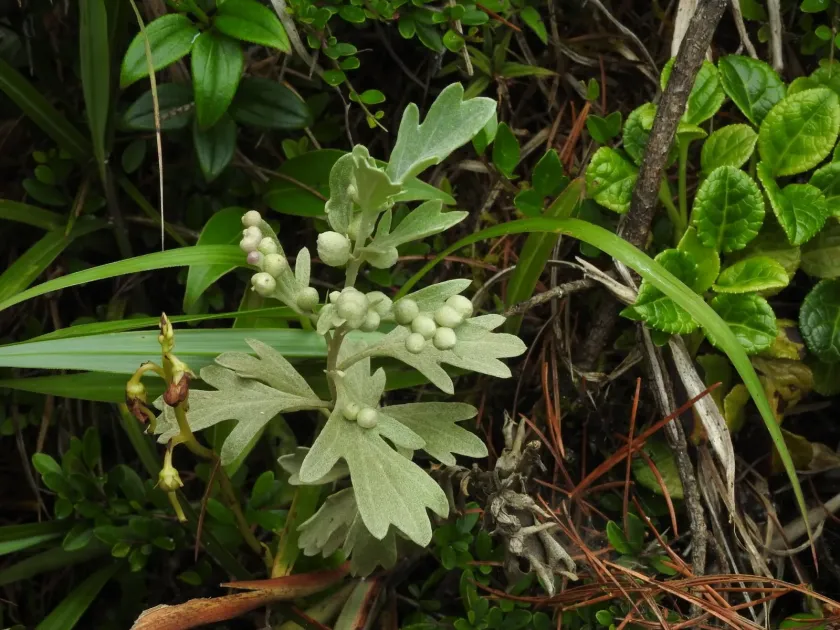
Description
Sowing dates
Chrysanthemum morii is best propagated through cuttings taken from healthy stock plants during the spring season to ensure uniform growth and flowering.
When starting from seeds, it is recommended to use a high-quality, sterile potting mix and provide stable temperature conditions for optimal germination.
Early planting in a protected environment allows for the development of a robust root system before the seedlings are transplanted to their permanent location.
Sufficient spacing between plants is critical for air circulation, which helps in preventing moisture-related issues that can arise in dense plantings.
Proper timing for transplanting should be carefully monitored to avoid the risk of late frosts that could damage young, tender plant tissue.
Growing requirements
This species thrives in locations with full sun exposure, which is necessary for vigorous growth and the development of high-quality floral stems.
Well-drained, fertile soil is a requirement, as the roots are sensitive to waterlogging, which can lead to rapid decay and plant decline.
The plant performs best in a climate with moderate temperatures, avoiding extreme heat or freezing conditions, which can stress the plant's development.
Regular irrigation is essential during dry spells, focusing on soil moisture rather than getting water on the leaves to prevent disease outbreaks.
Balanced fertilization throughout the growing season ensures the plant has access to essential nutrients for sustained foliage and flower production.
Main diseases and pests
Aphids and spider mites are common pests that target the plant's young shoots, often requiring prompt intervention with suitable insecticides.
Fungal diseases like powdery mildew and rust can be significant threats, especially in environments with high humidity and poor ventilation.
Regular scouting of the plants is recommended to detect any signs of infestation or disease early, allowing for effective and targeted treatment.
Using mulch around the base of the plant can help regulate soil moisture, but it must be applied carefully to avoid encouraging fungal growth near the stem.
Removing affected foliage promptly is a standard sanitary practice to contain the spread of pathogens throughout the entire planting bed.
Harvesting
Harvesting for floral display is typically done when the blooms are partially open, ensuring they continue to mature and look fresh for a longer period.
Cutting should be performed early in the day when the plant cells are fully turgid, which significantly enhances the longevity of the cut stems.
After the primary flowering season, the plant benefits from a light pruning, which helps maintain its shape and encourages new growth for the next cycle.
Preparing the plants for the dormant season involves cutting back the dead stems to the base after the first frost has occurred in the region.
Clean, sharp tools are necessary for all pruning and harvesting tasks to prevent creating ragged cuts that could serve as entry points for diseases.