
Zawadski's Chrysanthemum
Chrysanthemum zawadskii Herbich subsp. lucidum (Nakai) Y. N. Lee
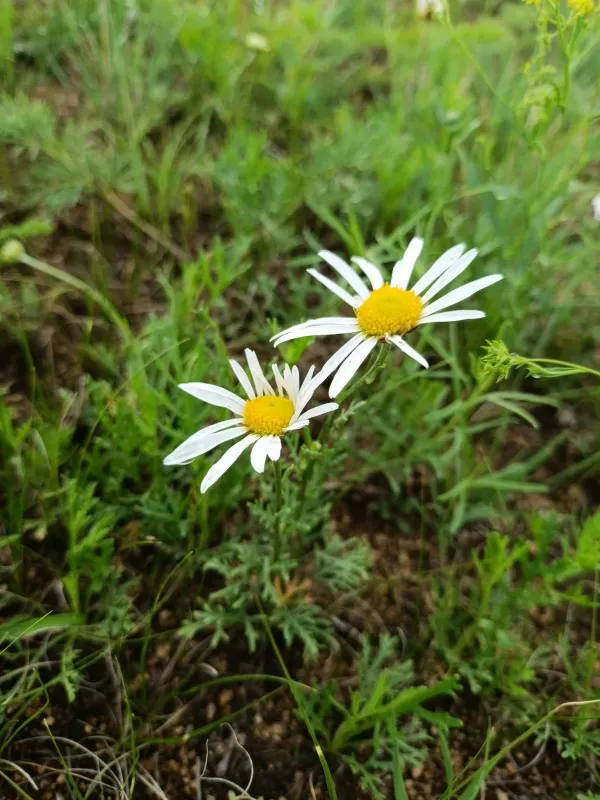
Description
Sowing dates
Propagation of Chrysanthemum zawadskii is typically achieved through seeds or by division of established root clumps, which is a common practice in ornamental agriculture.
Seeds should be sown indoors during late winter or early spring in a well-draining potting medium, ensuring consistent moisture and temperatures around 20 degrees Celsius.
For division, dig up mature clumps in early spring when new shoots are just beginning to emerge, then carefully separate the root system to create new planting units.
Seed stratification is recommended for higher germination rates, as the seeds benefit from a period of cold before being introduced to warmer conditions for sprouting.
Transplanting into the garden bed should occur after the final spring frost, providing enough space between plants to prevent overcrowding and improve airflow.
Growing requirements
This species belongs to the Asteraceae family and thrives in open, sunny locations with well-aerated soil that prevents waterlogging during wet seasons.
The plant demonstrates significant hardiness and can tolerate various climatic conditions, provided that the drainage remains efficient throughout the growing period.
Soil quality is essential for vigor; adding compost or balanced organic fertilizers helps maintain the neutral to slightly alkaline pH levels preferred by this plant.
Regular irrigation is vital during dry spells, but care must be taken to apply water at the base of the plant to avoid wetting the foliage excessively.
Routine weeding and light cultivation of the topsoil are necessary to ensure that nutrients and water are not diverted to competing weeds in the surrounding area.
Main diseases and pests
Typical plant health challenges include fungal issues like powdery mildew, which often develops in stagnant air conditions or high humidity environments.
Common insect pests such as aphids and spider mites can colonize the soft tissue of the plants, leading to weakened growth and distorted floral development.
Integrated pest management strategies are recommended, including the use of targeted biological controls or low-toxicity chemical sprays if infestations become severe.
Proper sanitation, such as removing fallen leaves and pruning dead parts of the plant, significantly reduces the likelihood of overwintering pathogens.
- Maintain appropriate spacing to promote air circulation.
- Monitor the plants for early symptoms of nutrient deficiency.
- Apply preventative fungicide treatments during humid weather.
Harvesting
The primary economic and cultural use of this plant is in the horticultural industry, where it serves as a robust perennial for borders and rock gardens.
When used as a cut flower, stems should be harvested when the buds are partially open, which ensures maximum vase life and aesthetic appeal in floral arrangements.
Proper timing for harvest is usually during the early morning when the plant tissues are fully hydrated, preventing rapid wilting post-harvest.
After the blooming cycle concludes in late autumn, gardeners should cut back the stems to a height of about 5 to 10 centimeters above the ground.
Winter care is essential in cold regions, often requiring protective mulch around the base of the plant to shield the crown from extreme frost cycles.